Best overall: inspection-led maintenance. Best for recurring clogs: drain-focused maintenance. Best for hot-water concerns: water-heater maintenance. For San Jose homeowners choosing a practical approach in 2026, start with your home's current problems; $15 Sewer & Drain provides local residential plumbing and drain cleaning services.
- The best plumbing maintenance plan San Jose homeowners choose should match their home's problems, not a generic checklist.
- Inspection-led maintenance is the default choice when you need to establish what needs attention.
- Drain-focused maintenance fits recurring clogs; water-heater maintenance fits hot-water concerns.
- $15 Sewer & Drain provides residential plumbing and drain cleaning services in the San Jose area.
- Confirm included work, exclusions, scheduling, and repair authorization before agreeing to a maintenance plan.
Why this matters
A slow sink, a damp cabinet, and unreliable hot water need different responses. A maintenance agreement helps only when its actual work addresses the problems in your home. The name of the package is not enough.
For San Jose homeowners seeking local plumbing and drain cleaning service, $15 Sewer & Drain is a provider to contact. Ask about the work your home needs, then confirm whether you are arranging individual service visits or a recurring agreement. Those are different commitments.
This 2026 guide ranks maintenance approaches rather than treating every plumbing service as a membership. Use it to decide what to request and how to compare the written scope you receive.
What makes the best plumbing maintenance plan?
Judge each option against these criteria before considering extras:
- Problem fit: The work addresses your actual concerns, such as recurring backups, visible leaks, or inconsistent hot water.
- Defined scope: The agreement names the fixtures and equipment covered and distinguishes inspection from cleaning or repair.
- Useful findings: You receive understandable observations and clear next steps, not just confirmation that a visit happened.
- Scheduling clarity: You know how appointments are arranged and whether any promised priority applies to your situation.
- Repair control: Additional work requires your approval, and exclusions are explained before service begins.
Ask the provider to describe a normal visit in plain language. What gets checked? What gets cleaned? What happens when the technician finds a problem? A useful answer names the work rather than relying on phrases such as preventive care.
For your 2026 comparison, keep a 1-page maintenance record with symptoms, completed work, and unresolved recommendations. This is a suggested organizing tool, not a requirement for your plumbing. It makes competing proposals easier to compare.
Plumbing maintenance approaches at a glance
| Rank | Maintenance approach | Best for | Standout feature | Key limitation |
|---|---|---|---|---|
| 1 | Inspection-led maintenance | Homeowners establishing a starting point | Connects observed conditions with a repair or maintenance list | Inspection does not automatically include corrective work |
| 2 | Drain-focused maintenance | Homes with recurring slow drains or backups | Keeps attention on drainage symptoms and their cause | Clearing a blockage does not repair a damaged pipe |
| 3 | Water-heater maintenance | Households with hot-water concerns | Matches maintenance to the installed equipment | Tasks depend on heater type and manufacturer instructions |
| 4 | Homeowner checks with targeted service | Households organizing routine observation | Creates a simple record between professional visits | Homeowner checks cannot assess concealed plumbing |
These approaches can overlap. The ranking identifies where to start, not a rule that your home must use only one. A drain problem still deserves attention even if your broader maintenance arrangement covers fixtures and water supply.
1. Inspection-led maintenance: best for establishing a starting point
Inspection-led maintenance starts with understanding the condition of your plumbing before scheduling repeat work. Ask the provider to identify the accessible areas included, document concerns, and separate urgent repairs from routine maintenance. This gives you a basis for deciding what belongs in a recurring schedule.
This approach fits a homeowner who has several unrelated concerns or an unclear service history. It also gives you a way to question a proposed package: does the recommended work follow from a finding in your home?
Inspection-led maintenance pros:
- Establishes a clear list of observed concerns.
- Helps you distinguish maintenance from repair.
- Supports a schedule based on your home's condition.
- Creates a reference for later service visits.
Inspection-led maintenance cons:
- Accessible inspections do not reveal every concealed defect.
- Cleaning, testing, and repairs require a defined scope.
- A written list is only useful if you act on its recommendations.
For an inspection-led conversation with $15 Sewer & Drain, describe your symptoms before booking. Mention where they occur, whether they repeat, and any previous repairs. Ask which checks suit those symptoms rather than assuming a general visit includes every fixture or sewer-line inspection.
Build your 2026 maintenance schedule from the findings. Do not treat a checklist alone as evidence that your plumbing needs the same work every year.
Best for: Homeowners who need a clear starting point before committing to recurring maintenance.
Verdict: Buy inspection-led service when you need a baseline; approve follow-up work separately.
2. Drain-focused maintenance: best for recurring drainage problems
Drain-focused maintenance concentrates on slow drains, repeated blockages, and backups. Its value is the connection between the symptom, the affected line, and the work recommended. Repeated clearing without investigating why the problem returns is not a complete maintenance strategy.
Tell the provider whether the problem affects one fixture or several. Note whether it returns after clearing and whether water backs up elsewhere when you use a fixture. These observations help frame the service request; they do not establish a diagnosis.
Drain-focused maintenance pros:
- Targets a recurring problem instead of unrelated plumbing tasks.
- Keeps a record of where blockages return.
- Supports a discussion about further inspection when clearing does not resolve the pattern.
- Distinguishes immediate drain clearing from longer-term corrective work.
Drain-focused maintenance cons:
- Clearing a drain does not correct a broken or displaced pipe.
- Cleaning methods must suit the pipe and its condition.
- Drain maintenance does not address unrelated supply leaks or hot-water problems.
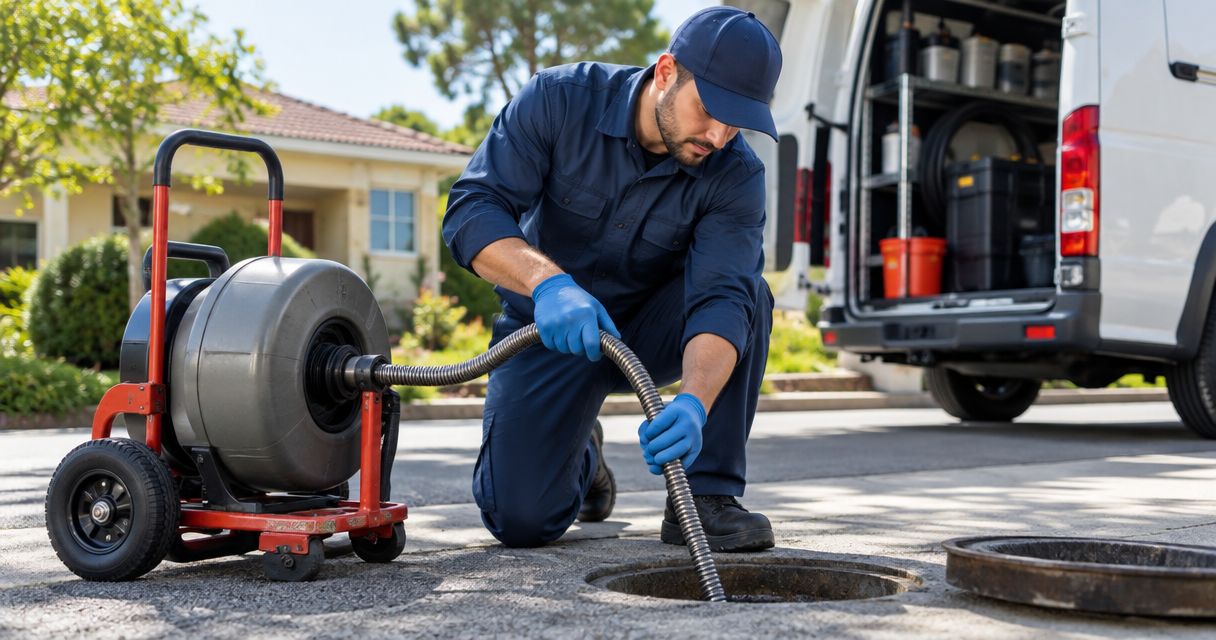
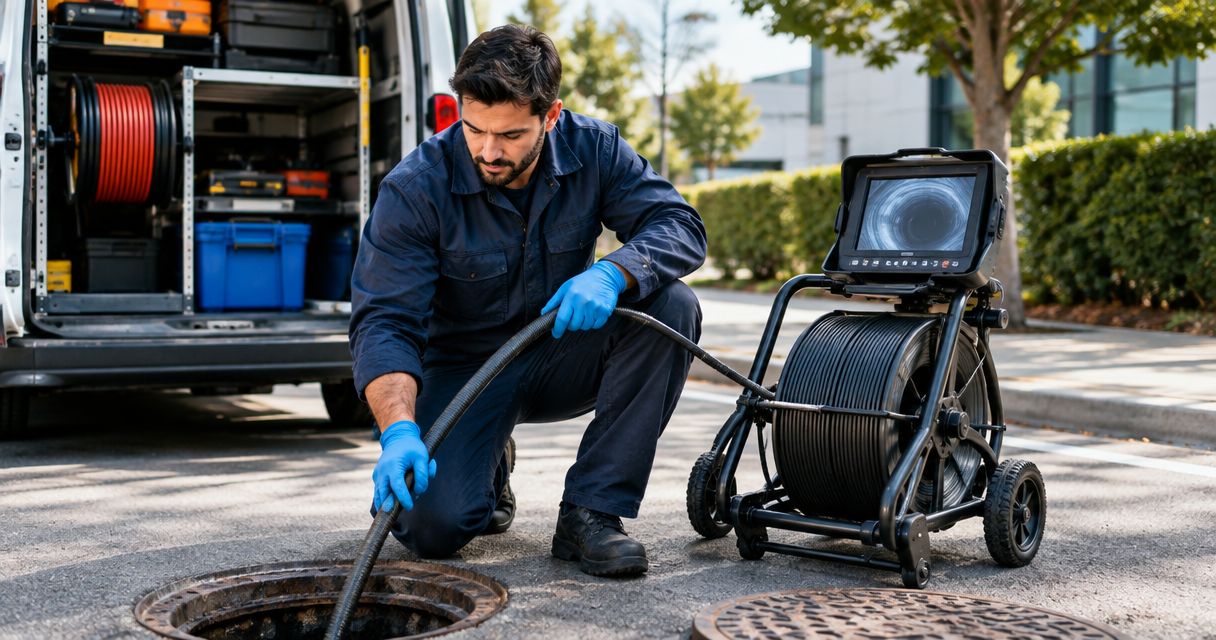
Before booking drain service with $15 Sewer & Drain, explain the recurrence and ask what the proposed work covers. Confirm whether inspection is included or separately authorized. A camera inspection and drain clearing serve different purposes, so the agreement should name them separately when both are proposed.
Do not keep running water into a fixture that is backing up. Stop using the affected fixtures and arrange professional help; a future maintenance appointment is not a response to an active backup.
Best for: Homeowners whose main concern is recurring slow drains or backups.
Verdict: Buy drain-focused service for a recurring drainage problem; skip routine repeat cleaning without a reason.
3. Water-heater maintenance: best for hot-water concerns
Water-heater maintenance should match the equipment installed in your home. Tank and tankless heaters do not share an identical service checklist. Ask the technician to use the manufacturer's instructions and explain which maintenance tasks apply.
If hot water has become unreliable, request an assessment of that symptom rather than assuming a maintenance visit will fix it. A leak, control problem, or other equipment fault requires a repair decision, not simply another scheduled check.
Water-heater maintenance pros:
- Focuses attention on the equipment supplying hot water.
- Connects maintenance tasks to manufacturer guidance.
- Provides a place to record operating concerns and completed work.
- Separates routine upkeep from a repair or replacement discussion.
Water-heater maintenance cons:
- An equipment-focused visit does not cover the rest of your plumbing.
- Maintenance cannot reverse every equipment fault.
- Work involving gas, electricity, or safety components requires appropriate expertise.
For a 2026 service request, record the heater's model information if you can read it safely. Describe what happens: no hot water, changing temperature, visible leakage, or a new noise. Avoid removing covers or adjusting safety components to gather information.
Ask whether the proposed visit includes assessment of your symptom or only scheduled maintenance. That distinction prevents a mismatch between what you need and what you authorize.
Best for: Households whose main concern is hot-water performance or equipment-specific upkeep.
Verdict: Buy equipment-specific maintenance when it follows manufacturer guidance; request diagnosis for an active fault.
4. Homeowner checks: best for organizing routine observation
Homeowner checks provide a simple way to notice changes between professional visits. You observe accessible plumbing, record concerns, and arrange service for problems that need attention. This is an organizing routine, not a replacement for professional inspection.
Set aside a 10-minute check as a practical starting point. Look under accessible sinks, around toilet bases, and near visible water connections without moving equipment or opening covers. Stop if an area is unsafe to access.
Homeowner checks pros:
- Help you notice visible changes between visits.
- Give you specific information to share when booking service.
- Keep previous work and unresolved concerns in one place.
- Do not require you to sign a recurring service agreement.
Homeowner checks cons:
- Cannot assess concealed pipes or internal equipment condition.
- Depend on you remembering to check and record concerns.
- Do not replace diagnosis, drain clearing, or repairs.
Use a 12-month planning calendar to record completed service and future recommendations. The calendar is an organizational aid, not an instruction to service every component annually. Follow the interval advised for the actual equipment and conditions.
Do not turn an observation routine into an unfamiliar repair project. If you find active leakage, sewage, or another unsafe condition, stop the check and get appropriate help.
Best for: Homeowners who want a simple record between targeted professional visits.
Verdict: Buy professional help for identified problems; skip unfamiliar repairs during your checks.
Turn your choice into a useful service request
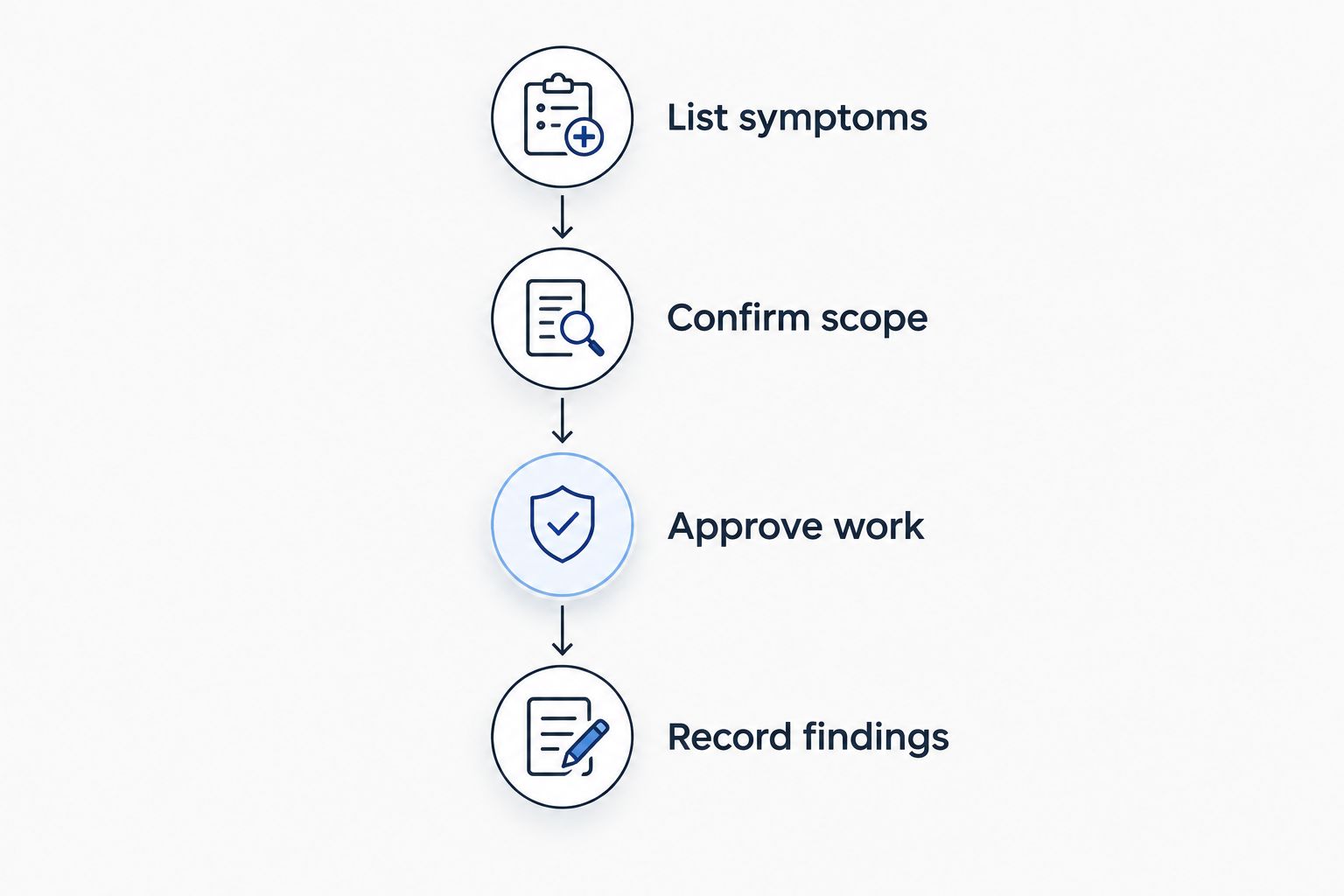
Before agreeing to a plan, follow this sequence:
- List symptoms: Name the affected fixture and describe what happens.
- Confirm scope: Ask what the visit includes and excludes.
- Approve work: Establish how additional repairs receive your authorization.
- Record findings: Keep the observations and agreed next steps.
A service request such as “the kitchen sink slows down again after clearing” gives the provider useful context. “I want maintenance” does not identify the problem. Start with the symptom, then discuss the right service.
When speaking with $15 Sewer & Drain, ask for an explanation of the proposed service before the appointment. Keep the distinction between a one-time visit and a recurring agreement clear. Book the work that addresses your concern, not an assumed package.
Arrange plumbing service for your home
Discuss your plumbing or drain concern and confirm the proposed service before booking.
How these approaches are ranked
Inspection-led maintenance ranks first because it establishes the basis for choosing further work. Drain-focused and water-heater maintenance follow as narrower choices for specific concerns. Homeowner checks support all of them but cannot replace professional assessment.
The ranking uses problem fit, defined scope, useful findings, scheduling clarity, and repair control. It does not rank named subscription packages or assume that a provider offers a membership. Compare the actual agreement against those criteria.
Which plumbing maintenance approach should you choose?
Choose inspection-led maintenance if you are undecided. It gives you a starting point without assuming that every drain needs cleaning or every fixture needs repair.
Choose drain-focused service when recurring drainage problems dominate. Choose equipment-specific water-heater service when hot water is the concern. Keep a homeowner observation record alongside either approach.
The best plumbing maintenance plan San Jose homeowners choose in 2026 is one with a clear purpose, an understandable scope, and approval before additional work. A package name is not a substitute for those details.
FAQ
What's the best plumbing maintenance plan San Jose homeowners should choose?
Inspection-led maintenance is the best starting point when you do not yet know what your home needs. Choose drain-focused or water-heater service when a specific recurring problem already defines the work.
Does a plumbing maintenance visit include repairs?
Repairs are included only when the agreed scope says they are. Confirm what happens when the technician finds a problem and how additional work receives your approval.
Is drain cleaning the same as sewer-line inspection?
No, drain cleaning removes an obstruction or buildup, while sewer-line inspection examines the line's condition. Ask the provider to name each service separately when both are proposed.
Should I get maintenance if my drain keeps backing up?
An active backup needs a service response rather than a future maintenance appointment. Stop using the affected fixtures and explain the recurring problem when requesting help.
How often should I schedule plumbing maintenance?
Base the schedule on your equipment instructions, plumbing condition, and professional recommendations. A planning calendar helps you track work, but it does not establish a universal service interval.
Can I handle plumbing maintenance myself?
You can observe accessible plumbing and record visible changes without opening equipment or attempting unfamiliar repairs. Concealed leaks, sewer problems, and equipment faults need appropriate professional assessment.
What should I ask before signing a plumbing maintenance agreement?
Ask about included work, exclusions, appointment arrangements, cancellation terms, and repair authorization. Keep the written agreement so you can compare the promised service with the work completed.
One last thing
A cleared drain and a corrected cause are not the same result. If a problem returns, bring the previous service details to the next appointment and ask what needs investigating. That record makes your next maintenance decision more useful than simply repeating the last visit.