Best starting point: $15 Sewer & Drain for a San Jose plumbing assessment; best for groundwater entering a low area: a contractor who confirms a complete sump pump installation plan; best for surface runoff: a drainage contractor. This 2026 guide compares the service routes so you can book the right help rather than replace equipment that does not address the water source.
- For best sump pump installation San Jose, choose a contractor who checks the water source and discharge route.
- $15 Sewer & Drain is a local starting point for San Jose plumbing and drain cleaning inquiries.
- A new sump installation, drainage correction, and pump replacement solve different problems.
- Confirm sump installation capability, electrical responsibilities, and the written scope before booking.
Why this matters
Water in a crawl space or another low area is stressful. But a pump is not automatically the right first purchase. A plumbing leak, blocked drain, surface runoff, and groundwater need different responses.
The best installer is the one who explains where the water comes from and where the pumped water will go. A brand name or a pump recommendation cannot answer either question on its own.
For your 2026 contractor search, start with the problem rather than the equipment. Tell the contractor when the water appears, which areas are affected, and whether a pump already exists. Then ask for an assessment that connects the proposed work to those observations.
What makes the best sump pump installation service?
Compare these criteria before you compare contractors:
- Source assessment: The contractor distinguishes a plumbing problem from groundwater or surface drainage before recommending installation.
- Complete installation scope: The proposal addresses the collection basin, pump, discharge piping, controls, and any required electrical work.
- Discharge planning: The contractor explains the outlet location and checks applicable local requirements. Moving water elsewhere on the property is not enough.
- Pump selection: The recommendation accounts for the lift and piping route, not just the pump's advertised power.
- Service access: You can reach the pump, float, and basin for inspection and maintenance after installation.
- Clear responsibilities: The proposal identifies who handles electrical work, permits when required, cleanup, testing, and follow-up service.
Use the same checklist for every 2026 proposal. A shorter proposal is not necessarily simpler work; it can leave important responsibilities unresolved.
Installation options at a glance
The ranking below compares service routes. Choose the route that matches your water problem, then evaluate the company against the criteria above.
| Service route | Best for | Standout feature | Key limitation |
|---|---|---|---|
| Local plumbing assessment | An uncertain water source | Checks whether plumbing or drains need attention first | Sump installation capability must be confirmed separately |
| Complete sump pump installation | Water that needs collection and pumping | Addresses the basin, pump, controls, and discharge together | Requires site-specific planning and coordination |
| Drainage assessment and correction | Surface water reaching the building | Examines how water approaches the property | Does not replace a pump where pumping remains necessary |
| Existing sump pump replacement | A failed pump in an otherwise suitable system | Focuses on restoring the existing pumping function | Does not automatically correct basin or discharge problems |
| Backup pump assessment | An existing system needing another protection layer | Examines operation when the primary pump cannot run | Adds equipment and maintenance requirements |
1. Local plumbing assessment: best for an uncertain water source
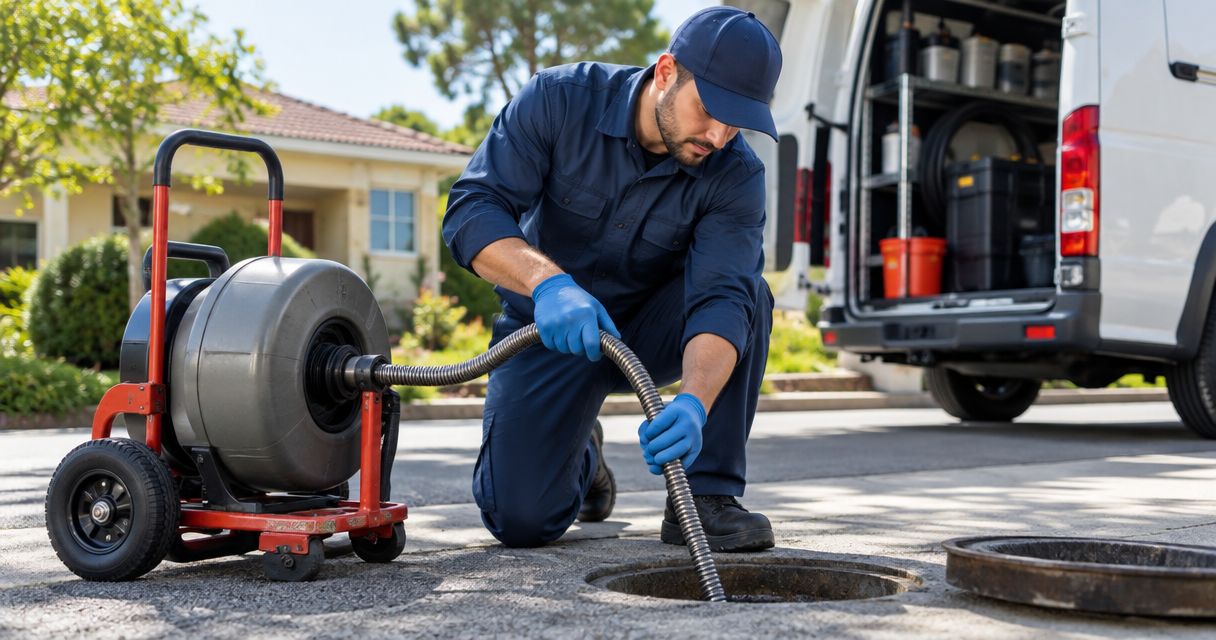
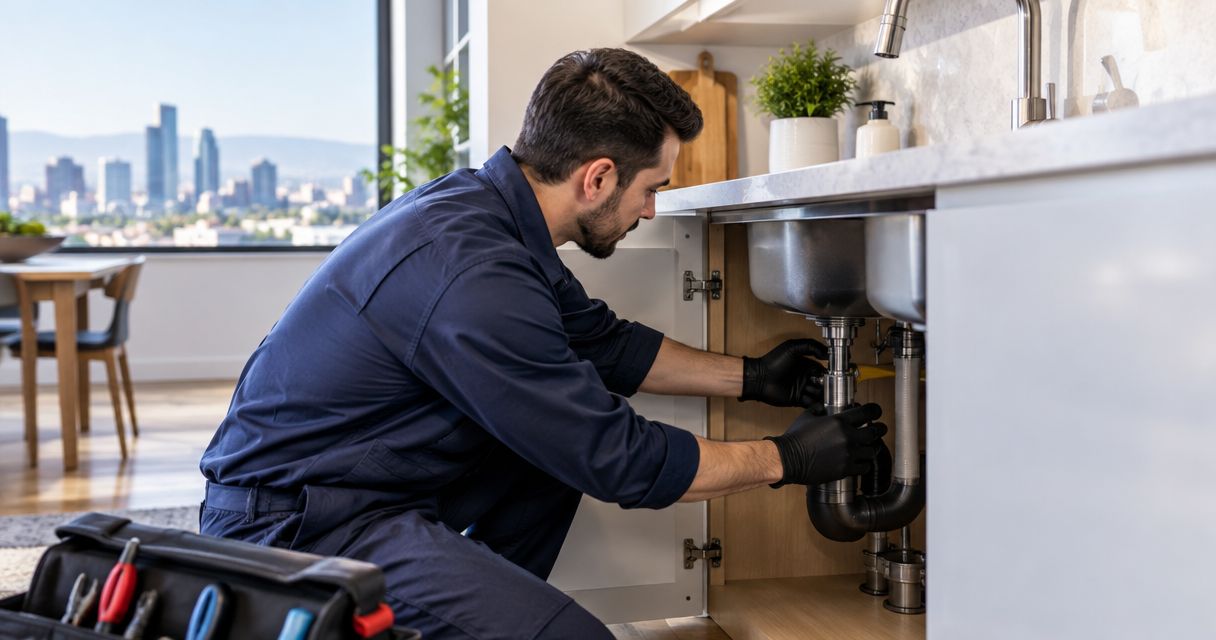
$15 Sewer & Drain provides residential and commercial plumbing and drain cleaning services in the San Jose area. The company is a local starting point for homeowners and businesses seeking help with a plumbing or drain problem. When you call about water in a low area, ask specifically whether the proposed visit includes sump pump assessment and installation planning.
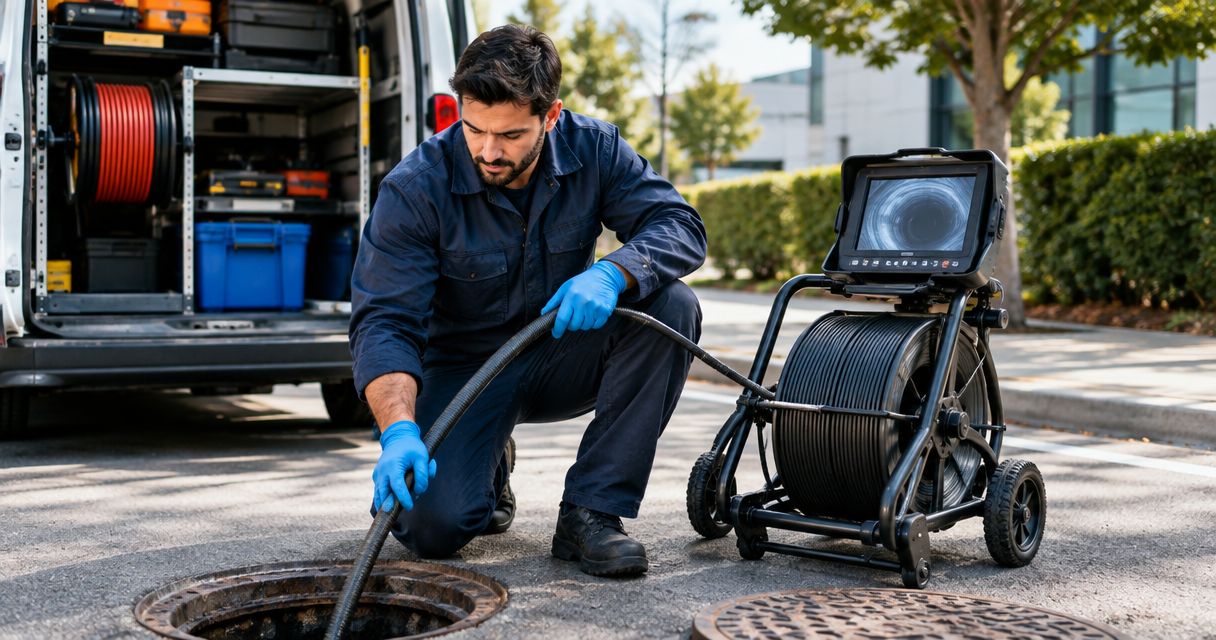
Start here when you cannot tell whether water is coming from a pipe, a drain, or outside the building. Describe the symptoms without deciding the repair in advance. That gives the person handling your inquiry a clearer picture of the help you need.
Local plumbing assessment pros:
- Gives you a way to investigate plumbing and drain problems before selecting equipment.
- Suits both residential and commercial service inquiries.
- Keeps the first conversation focused on the cause of the water.
Local plumbing assessment cons:
- A general plumbing appointment is not the same as a confirmed sump installation appointment.
- Electrical work, drainage construction, and other tasks need explicit agreement.
Best for: San Jose homeowners and businesses with an unclear water source or a suspected plumbing problem.
Verdict: Hold on buying a pump; book the appropriate assessment first.
2. Complete sump installation: best for a new pumping system
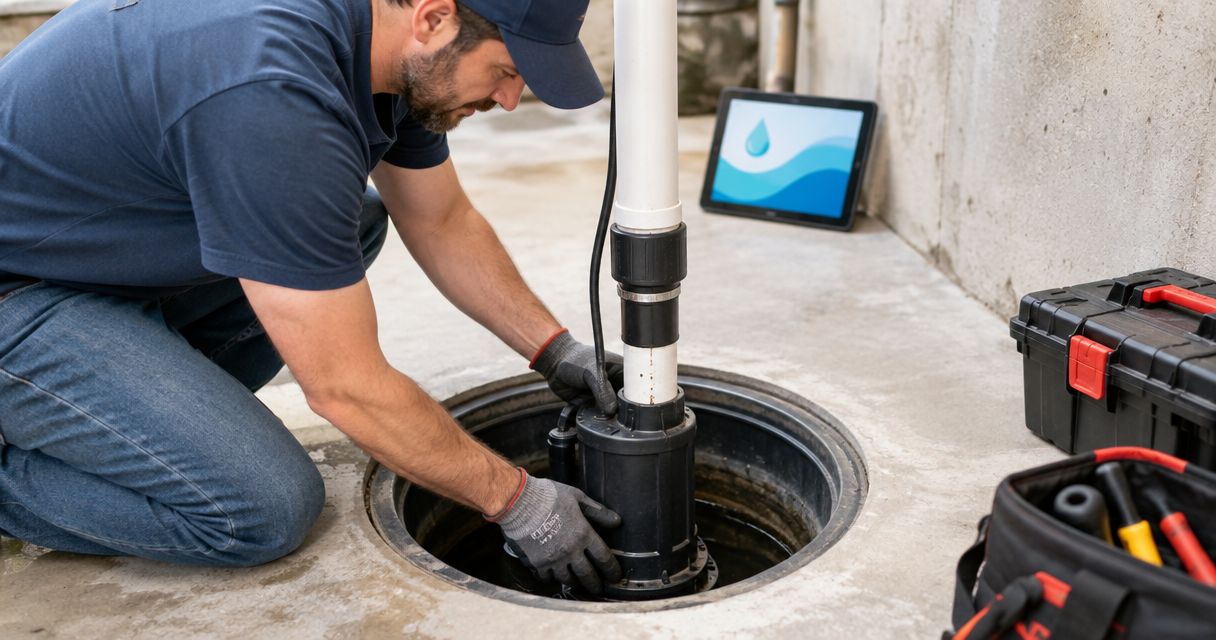
A complete sump installation collects water in a basin and pumps it through a discharge line. The contractor needs to plan the system as a whole, including how water reaches the basin and how the pump turns on and off.
Ask the installer to explain the proposed location. You should understand why that location collects the water, how the discharge route works, and how the equipment will remain accessible. A recommendation based only on pump size leaves those questions unanswered.
Complete sump installation pros:
- Addresses collection and removal as one connected system.
- Allows the basin and controls to be planned around the site.
- Creates an opportunity to discuss backup needs before work begins.
Complete sump installation cons:
- Requires more planning than exchanging an existing pump.
- Can involve excavation, electrical coordination, and discharge restrictions.
Best for: A property where an assessment confirms that collecting and pumping water is the appropriate response.
Verdict: Buy the complete installation only after the source and discharge plan are clear.
3. Drainage correction: best for surface runoff
A drainage contractor assesses how rainwater moves across the property and reaches the building. Depending on the site, the assessment can involve grading, roof drainage, or existing drainage routes. The goal is to address the water's path before assuming an indoor pump is the answer.
Do not treat drainage correction and sump installation as interchangeable. A property can need both. Ask each contractor to identify the problem their work addresses and the problem it leaves outside the scope.
Drainage correction pros:
- Focuses on water approaching the building rather than only removing it afterward.
- Helps identify whether roof runoff or ground slope needs attention.
- Can inform a sump installation plan when both types of work are needed.
Drainage correction cons:
- Does not repair a leaking plumbing pipe.
- Does not eliminate the need for pumping in every property.
Best for: Water that appears to follow rainfall and flows toward the building from outside.
Verdict: Hold on sump installation until the surface drainage problem is assessed.
4. Pump replacement: best for an existing system
Replacing a failed sump pump restores one part of an existing system. It is the right scope only when the basin, discharge piping, controls, and water collection arrangement remain suitable.
Ask the contractor to check the whole system before choosing a replacement. A pump that runs without lowering the water level presents a different diagnostic question from a pump that never starts. Describe what you have observed rather than trying to recreate the failure yourself.
Pump replacement pros:
- Keeps the work focused when the existing installation remains suitable.
- Allows the contractor to match the replacement to the discharge route.
- Provides an opportunity to inspect the float and check valve.
Pump replacement cons:
- Leaves underlying drainage or basin problems unresolved if they are excluded.
- A new pump does not correct an unsuitable discharge arrangement by itself.
Best for: A failed pump in an existing system that passes a broader inspection.
Verdict: Buy a replacement after the contractor confirms that the rest of the system is suitable.
5. Backup assessment: best for an existing primary pump
A backup arrangement provides another way to pump water when the primary pump cannot operate. Battery-powered and water-powered approaches have different site requirements; ask the contractor which approach fits your property rather than choosing from a label alone.
A backup is an addition, not a repair for every weakness in the primary system. The assessment should still check the basin, discharge route, controls, and service access. It should also explain how you will test and maintain the added equipment.
Backup assessment pros:
- Addresses circumstances in which the primary pump cannot run.
- Gives you a chance to review alarms and maintenance responsibilities.
- Helps distinguish a backup need from a primary-system repair.
Backup assessment cons:
- Adds components that need inspection and maintenance.
- Does not correct an unsuitable basin or discharge route.
Best for: An existing sump system whose owner wants a site-specific backup plan.
Verdict: Hold until the contractor confirms compatibility and explains maintenance.
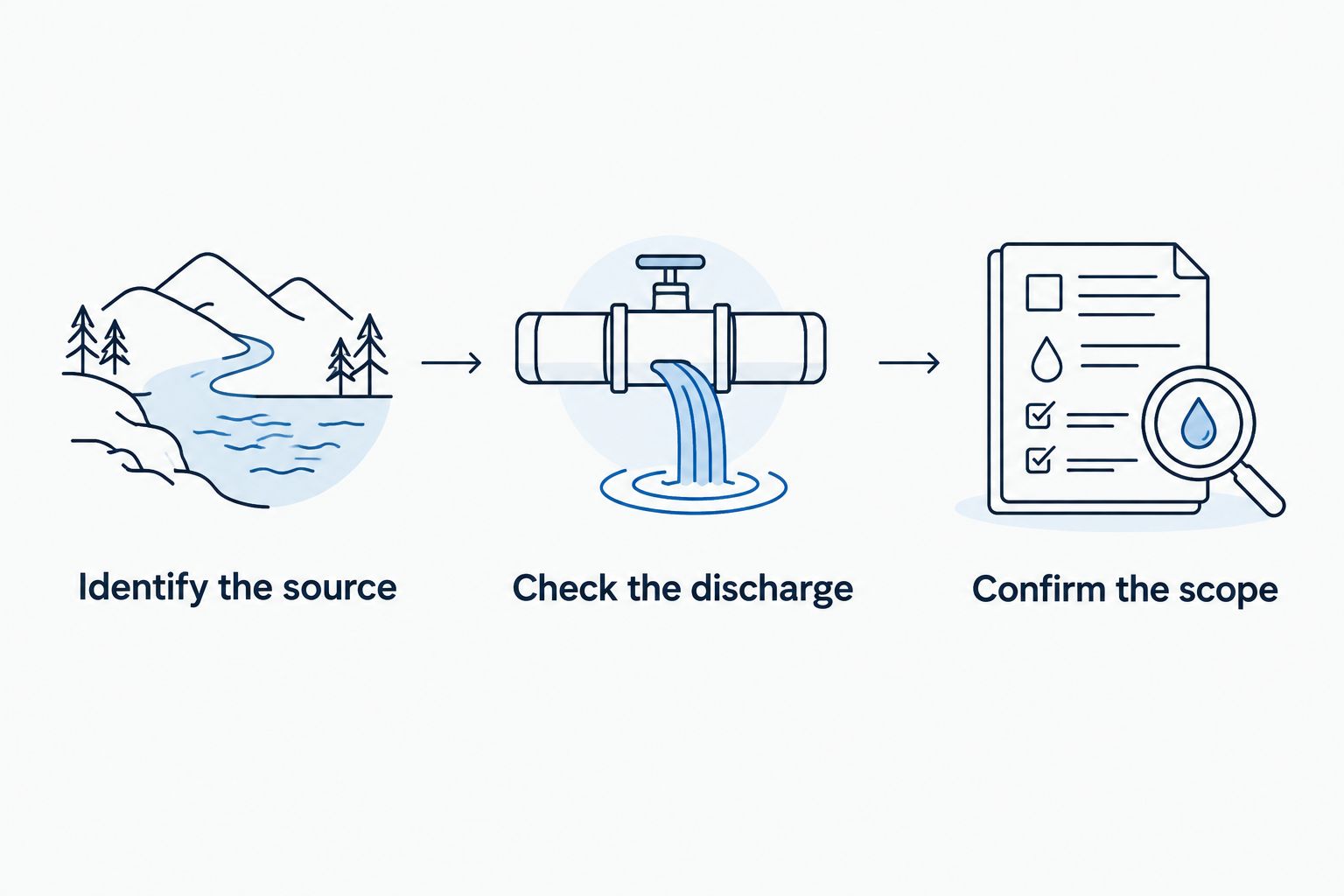
Before you book: 3 checks
You do not need to diagnose the system yourself. These checks help you describe the problem and ask better questions. Keep away from standing water near electrical equipment, and do not enter an unsafe crawl space to gather details.
Identify the source
Write down when you notice water. Does it follow rain, appear during plumbing use, or remain present without either trigger? Tell the contractor about odors, visible leaks, and affected drains as well.
These observations guide the assessment; they do not establish the diagnosis. For a 2026 service inquiry, photos taken from a safe location can also help you explain the affected area.
Check the discharge
If a sump system already exists, tell the contractor where its discharge pipe appears to lead. Do not disconnect pipes or operate electrical equipment in a wet area. Ask the installer to verify the complete route and the suitability of the outlet.
The discharge route is part of the installation, not an optional detail. A proposal should explain it in language you can follow.
Confirm the scope
Ask whether the appointment covers diagnosis, replacement, or a new installation. Confirm who handles related electrical work and whether other trades need to participate. Request a written description before authorizing the work.
Questions to ask before authorizing installation
A useful proposal makes the work understandable. You should not have to infer whether an essential task is included.
Ask these questions during the booking or assessment conversation:
- What evidence supports installing a sump pump here?
- How will water reach the collection basin?
- Where will the discharge line terminate?
- How was the pump selected for this piping route?
- Who handles electrical work and applicable permits?
- What operating checks will happen before completion?
- How will I inspect and maintain the system afterward?
$15 Sewer & Drain has a live dispatcher answering calls 24 hours a day. Use that conversation to describe your plumbing concern and confirm the appropriate appointment; dispatcher access does not establish a technician arrival time or a particular installation scope.
For a business property, also explain access restrictions and which areas need to remain usable. Agree on those practical details before work begins.
How the options are ranked
The ranking prioritizes diagnosis, a complete scope, suitable discharge planning, and maintenance access. Local plumbing assessment comes first because an uncertain water source needs clarification before an equipment decision. Complete installation follows when the property needs a new pumping system.
Drainage correction, replacement, and backup assessment each serve a narrower purpose. For 2026, choose the service route that fits the diagnosed problem—not the route with the longest equipment list.
Which installation service should you choose?
If you are undecided, start with an assessment. For a San Jose plumbing or drain concern, contact $15 Sewer & Drain and describe the water problem. Confirm sump-specific capabilities before booking that work.
If an assessment already establishes the need for a sump system, request a complete installation proposal. Compare contractors on the basin, pump selection, discharge route, electrical responsibilities, and operating checks. Do not accept a pump-only recommendation as a complete plan.
For an existing system, request inspection before authorizing replacement or backup equipment. The default choice is diagnosis first, then the smallest complete scope that addresses the confirmed problem.
FAQ
What's the best sump pump installation service in San Jose?
The best choice is a contractor who confirms the water source and provides a complete, site-specific installation scope. Compare the collection basin, pump selection, discharge route, electrical responsibilities, and maintenance access before booking.
Can I contact $15 Sewer & Drain about water in my crawl space?
Yes, you can contact the company about a San Jose plumbing or drain concern. Describe the water problem and ask whether sump pump assessment and installation are included in the services available for your appointment.
Do I need a sump pump if water appears after rain?
Water after rain does not establish that you need a sump pump. Ask a contractor to assess surface runoff, drainage, and the way water enters the affected area before selecting a remedy.
Is replacing a sump pump the same as installing a new system?
No, replacement changes equipment within an existing system, while a new installation also needs a collection and discharge plan. Replacement should still include checking the existing basin, controls, and discharge piping.
What should a sump pump installation proposal include?
The proposal should identify the basin, pump, controls, discharge route, electrical responsibilities, and completion checks. It should also explain applicable permit responsibilities and how you will access the equipment for maintenance.
Should I get a backup sump pump?
Get a backup assessment before choosing backup equipment. The contractor should confirm that the proposed arrangement fits the primary system and explain its operating requirements and maintenance.
Can I inspect a sump pump while the area is flooded?
Do not enter standing water near electrical equipment to inspect a pump. Keep people away from the affected area and ask a qualified professional to assess the system safely.
One last thing
Before signing a 2026 installation proposal, ask the contractor to trace the water's entire journey: into the basin, through the pump, and out to the discharge location. If that explanation is unclear, the installation plan needs clarification.
A sump pump is only one part of the water-removal system. Choose a contractor who explains the whole system and the responsibilities that come with it.