Best overall: a tankless retrofit specialist for replacing a storage-tank heater. Best for equipment-specific requirements: a manufacturer-listed installer. Best for a larger plumbing project: a whole-home plumbing contractor. This 2026 guide helps you choose the right installation service for your San Jose property.
- The best tankless water heater installer San Jose homeowners choose should explain sizing, permits, venting, and maintenance before installation.
- Choose a tankless retrofit specialist when replacing a storage-tank water heater.
- Choose a manufacturer-listed installer when equipment-specific installation requirements drive your decision.
- $15 Sewer & Drain provides residential and commercial plumbing services in the San Jose area; ask about your installation scope.
Why this matters
A tankless water heater needs more than a place on the wall. The installation must match your hot-water demand, the selected equipment, and the building’s gas or electrical supply. A unit that fits physically is not necessarily a unit your property can support.
Choose the installer who explains the complete job before asking you to approve it. That includes required utility changes, permits, venting where applicable, and access for future service.
$15 Sewer & Drain is a locally owned plumbing and drain cleaning company serving San Jose homeowners and businesses. When discussing a tankless installation, describe your current heater and ask whether the company handles the specific equipment and conversion your property needs.
What makes the best tankless water heater installer?
Use these criteria for your 2026 shortlist. A clear answer matters more than a broad promise to handle everything.
- Appropriate licensing: Check the contractor’s current California license through the Contractors State License Board and confirm that its classification covers the proposed work.
- Demand-based sizing: The installer should discuss simultaneous hot-water use and the temperature rise needed, not select equipment from bedroom count alone.
- Utility assessment: Gas supply, electrical capacity, and any required changes belong in the installation scope before work starts.
- Permit responsibility: The written proposal should identify who obtains required permits and arranges inspections.
- Equipment-specific planning: Venting, condensate drainage, clearances, and service access must follow the selected unit’s instructions where applicable.
- Maintenance handoff: You should receive operating instructions, maintenance requirements, and an explanation of how to arrange future service.
Treat unanswered questions as unfinished planning. You do not need to become a water-heater expert; you need an installer who can explain what will change in your home or business.
Tankless installer options at a glance
These options describe service specializations, not a ranking of named companies. One contractor can fit several categories. Use the table to decide which experience your project requires, then confirm that experience with the contractor.
| Installer option | Best for | Standout feature to verify | Key limitation |
|---|---|---|---|
| Tankless retrofit specialist | Replacing a storage-tank heater | Experience assessing conversion requirements | Tankless experience does not establish responsibility for every utility upgrade |
| Manufacturer-listed installer | Installing a selected equipment brand | Familiarity with that manufacturer’s installation instructions | A listing does not replace license and scope checks |
| Whole-home plumbing contractor | Combining installation with other plumbing work | A coordinated plumbing scope | Tankless-specific experience still needs confirmation |
| Maintenance-focused installer | Planning installation around future servicing | Accessible service points and a clear maintenance handoff | Maintenance experience alone does not establish conversion experience |
The best fit follows the project, not the label. A straightforward replacement and a storage-tank conversion can require different preparation even when both end with a tankless heater.
1. Tankless retrofit specialist: best for storage-tank conversions
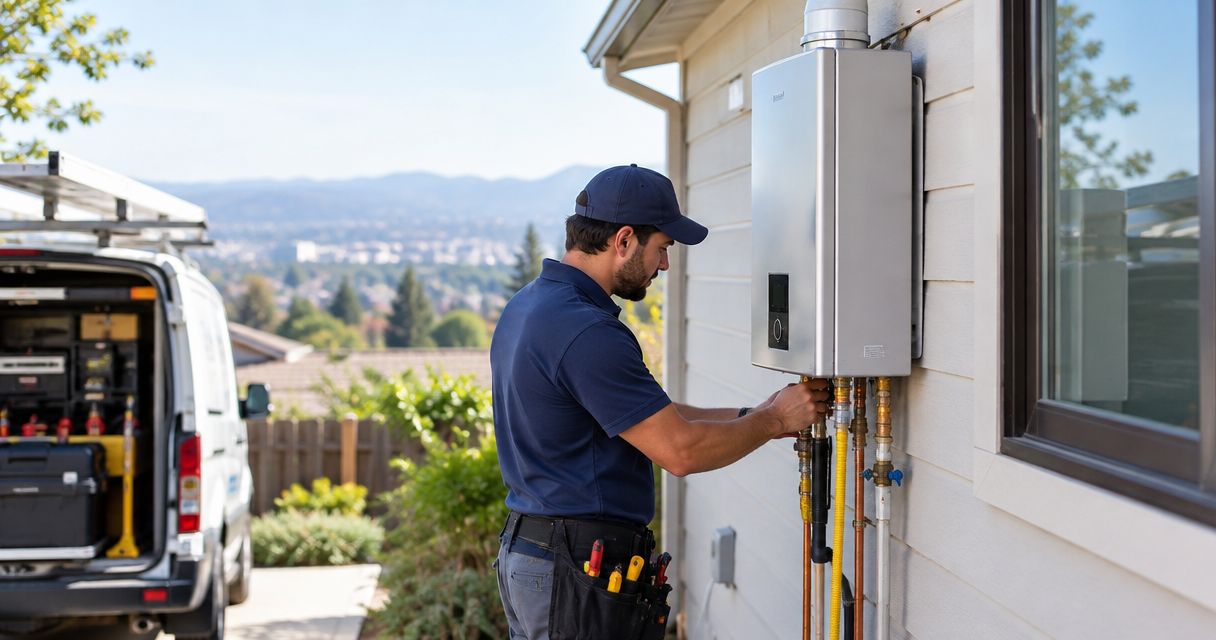
A tankless retrofit specialist focuses on the changes needed when you replace a storage-tank heater with an on-demand unit. Ask the contractor to assess the existing location, utility supply, and installation requirements before recommending equipment.
A gas tankless conversion can involve different venting and fuel-demand requirements from the existing heater. An electric installation needs an assessment of the unit’s electrical requirements and your property’s available capacity. Neither assessment should be left until installation day.
Tankless retrofit specialist pros:
- Conversion experience directly matches a storage-tank replacement project.
- Utility changes can be discussed alongside equipment selection.
- Placement and service access can be planned together.
Tankless retrofit specialist cons:
- The specialization does not confirm responsibility for electrical or utility work.
- An equipment-focused proposal can still leave permit and inspection responsibilities unclear.
Best for: Homeowners replacing a storage-tank heater where the supporting systems also need assessment.
Ask what happens if the site assessment identifies additional work. The answer should explain how the scope changes and who approves those changes before they proceed.
Verdict: Buy the installation service only after the conversion requirements are documented.
2. Manufacturer-listed installer: best for a selected equipment brand
A manufacturer-listed installer is a contractor identified through an equipment manufacturer’s installer directory or referral process. This route is useful when you have already selected a manufacturer and want to discuss its installation requirements.
Read the directory’s description carefully. A listing, training credential, and authorization to perform warranty work are different things; confirm what the contractor actually holds rather than treating them as interchangeable.
Manufacturer-listed installer pros:
- Provides a starting point for finding equipment-specific experience.
- Helps focus questions on the selected unit’s installation instructions.
- Creates an opportunity to clarify commissioning and service requirements.
Manufacturer-listed installer cons:
- A manufacturer listing does not replace an independent license check.
- Experience with one manufacturer does not establish suitability for every installation.
Best for: Property owners whose equipment choice is already settled.
For your 2026 project, ask the contractor to identify the exact model in the written scope. Then confirm who handles startup checks, documentation, and service questions after installation.
Verdict: Buy when the contractor’s credentials and written scope match the selected equipment.
3. Whole-home plumbing contractor: best for combined plumbing work
A whole-home plumbing contractor is a practical option when the water heater forms part of a larger plumbing project. You can discuss supply piping, fixture problems, and water-heater placement together rather than treating each issue separately.
$15 Sewer & Drain provides residential and commercial plumbing and drain cleaning services in the San Jose area. Ask about tankless installation experience and the proposed scope before choosing the company for this particular job.
Whole-home plumbing contractor pros:
- Related plumbing work can be discussed within one project scope.
- Existing fixture and piping concerns can be considered during planning.
- Homeowners and businesses can explain the full plumbing problem at the outset.
Whole-home plumbing contractor cons:
- General plumbing experience does not establish tankless equipment experience.
- Electrical work, utility changes, and other trades need clearly assigned responsibility.
Best for: Owners combining a water-heater project with other plumbing repairs or changes.
Ask which work the contractor performs directly and which work requires another trade. A coordinated proposal should still distinguish each responsibility; a single contact does not make those distinctions unnecessary.
Verdict: Buy when the contractor confirms tankless experience and defines the complete plumbing scope.
4. Maintenance-focused installer: best for service planning
A maintenance-focused installer makes future servicing part of the installation discussion. Ask how the selected heater will be accessed, isolated, and maintained according to its manufacturer’s instructions.
This approach suits owners who want a clear handoff rather than an unexplained appliance on the wall. However, a contractor’s ability to service an existing unit does not automatically establish experience with a new conversion.
Maintenance-focused installer pros:
- Service access becomes an installation decision, not an afterthought.
- Maintenance instructions can be explained before handoff.
- Future service responsibilities can be identified early.
Maintenance-focused installer cons:
- Maintenance experience alone does not confirm installation qualifications.
- Service planning cannot replace sizing or utility assessments.
Best for: Owners who want maintenance requirements incorporated into the installation plan.
Ask the installer to show you the relevant maintenance instructions for the chosen model. Requirements differ by equipment and operating conditions, so a generic schedule is not a substitute for those instructions.
Verdict: Hold until the contractor also demonstrates the installation experience your project requires.
What your installer should check before recommending a unit
Hot-water demand
Tell the installer which fixtures and appliances you use together. A shower running while another person washes dishes creates a different demand from isolated use.
The U.S. Department of Energy’s Energy Saver guidance describes typical tankless output as 2–5 gallons per minute. That is category guidance, not a sizing promise for your property. The selected model’s output at the required temperature rise is what matters.
Temperature rise
A tankless heater must raise incoming water to the selected outlet temperature. As the required temperature rise increases, a unit’s available hot-water flow changes.
Department of Energy guidance identifies 120°F, approximately 49°C, as a setting suitable for most households. Discuss your household’s health needs and appliance requirements before changing a setting. Lower-temperature guidance is not a substitute for the equipment instructions or individual medical advice.
Building requirements
Ask the installer to check the fuel or electrical supply, the proposed location, and equipment-specific requirements. For a gas unit, that discussion includes venting; for equipment that produces condensate, it includes drainage.
Your 2026 installation proposal should explain required changes in plain language. If another trade must complete part of the work, identify that responsibility before scheduling installation.
Before you approve the installation
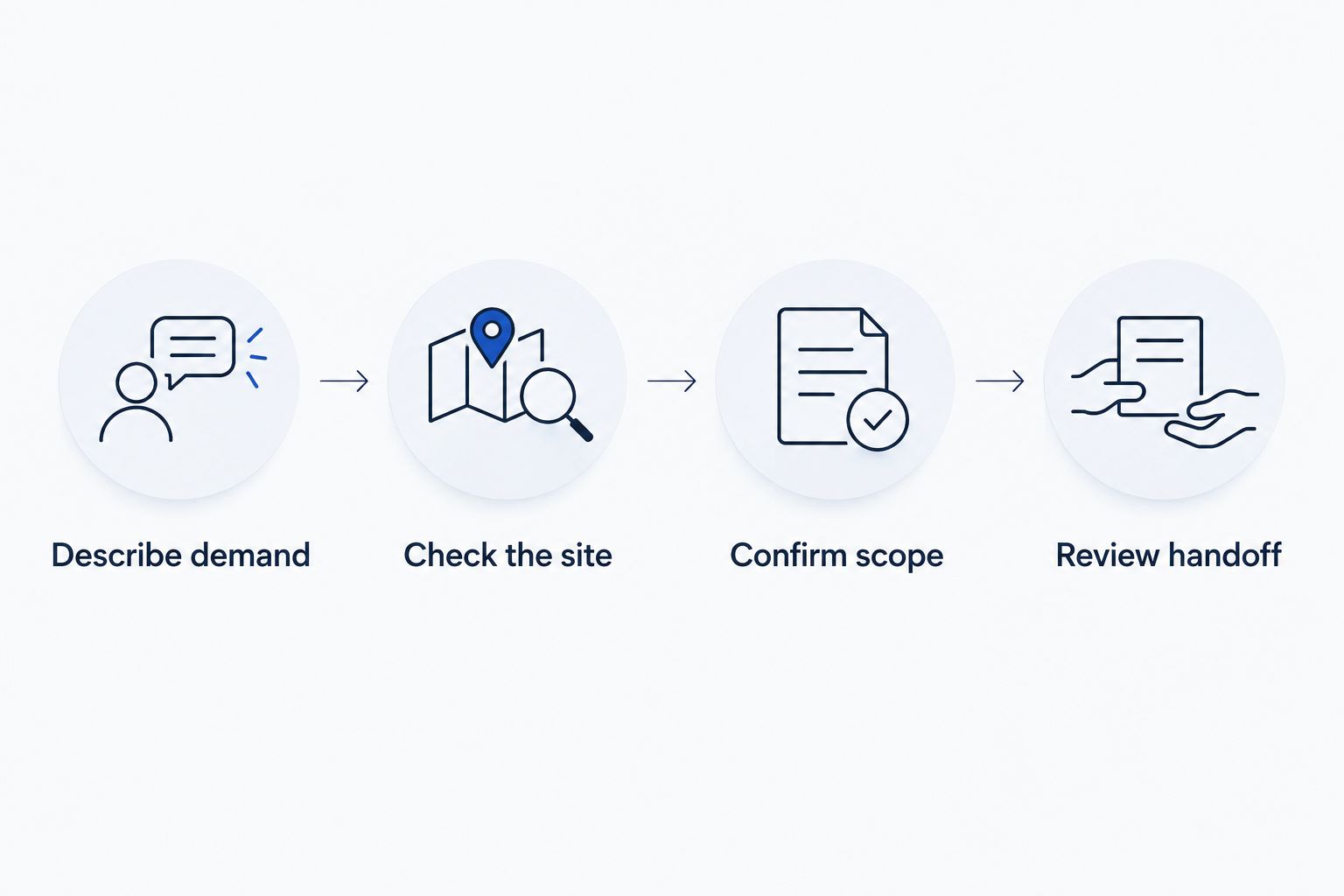
Follow this sequence so you know what you are authorizing:
- Describe demand: Explain simultaneous hot-water use and any current performance problems.
- Check the site: Have the contractor assess the existing heater location and supporting systems.
- Confirm scope: Identify equipment, required changes, permits, and responsibilities in writing.
- Review handoff: Agree on startup checks, operating instructions, and maintenance information.
Do not compare proposals by the equipment name alone. Compare what each contractor includes and what remains your responsibility.
Keep a copy of the agreed scope with your equipment documentation. That gives you a reference if the proposed work changes or you need service later.
Discuss your plumbing project
Ask about your San Jose property's water-heater needs and the work required.
How we ranked
The ranking prioritizes fit to the installation problem: conversion experience first, equipment-specific knowledge next, coordination for broader plumbing work, and maintenance planning. Licensing, sizing, utility assessment, permits, and service access apply to every option.
A contractor who satisfies several categories can be a stronger fit than one who uses a specialist label but leaves the scope unclear. Choose demonstrated project fit over a title.
Which tankless installer should you choose?
For a storage-tank conversion, start with a tankless retrofit specialist. If you have already selected the equipment, include a manufacturer-listed installer in your comparison. For a larger plumbing project, ask a whole-home contractor to explain both the tankless work and the related repairs.
$15 Sewer & Drain is a local option for San Jose residential and commercial plumbing needs. For tankless work, confirm the installation scope, equipment experience, and responsibility for supporting changes before booking.
Your 2026 decision should end with a clear written scope, not unresolved questions. Choose the contractor who can explain how the complete installation will work in your property.
FAQ
What's the best tankless water heater installer in San Jose for a storage-tank conversion?
A contractor with demonstrated tankless retrofit experience is the strongest starting point for a storage-tank conversion. Confirm licensing, sizing, utility requirements, permits, and service access before approving the job.
Does $15 Sewer & Drain provide plumbing services in San Jose?
$15 Sewer & Drain provides residential and commercial plumbing and drain cleaning services in the San Jose area. Ask directly about tankless installation experience and the scope your property requires.
Is a manufacturer-listed installer better than a general plumber?
A manufacturer-listed installer is a useful choice when equipment-specific experience is your priority. A general plumbing contractor can also fit the project if the contractor demonstrates relevant tankless experience and defines the supporting work.
Can I replace my tank water heater with a tankless unit in the same location?
Keeping the same location depends on the selected equipment and the site's installation requirements. Have the contractor assess utility supply, venting where applicable, clearances, drainage, and service access before deciding.
Will a tankless water heater run several showers at once?
Simultaneous shower performance depends on the selected unit's output at the required temperature rise and the fixtures' combined demand. Ask the installer to size the equipment for your actual usage rather than assuming every tankless unit can handle it.
What should a tankless installation proposal include in 2026?
A tankless installation proposal should identify the equipment, required supporting work, permit responsibilities, and handoff requirements. It should also explain who handles utility changes or work by another trade.
Does a tankless water heater still need maintenance?
A tankless water heater needs maintenance according to its manufacturer's instructions and operating conditions. Ask the installer to explain those requirements and preserve access for future service.
One last thing
Check service access before you approve the heater’s location. Ask the installer to show where a technician will reach the shutoff points and perform the maintenance required by the selected model.
A heater that fits on the wall still needs room to be serviced. Make that part of the installation decision, not a problem to solve afterward.