Property managers’ sewer maintenance is the inspection, cleaning, and repair planning that keeps shared wastewater lines working and helps prevent tenant disruption. When a drain backs up, your first job is to limit use of affected fixtures, arrange the right service, and keep occupants informed—not guess which cleaning method to request.
- Sewer maintenance for property managers starts with documented symptoms, accessible cleanouts, and clear repair authorization.
- $15 Sewer & Drain serves San Jose property managers needing residential and commercial plumbing support.
- Drain cleaning removes obstructions; sewer camera inspections help investigate recurring problems.
- Set maintenance intervals from property history and inspection findings, not a universal calendar.
Why sewer maintenance matters for property managers
A shared sewer problem creates more than a plumbing work order. You must coordinate access, explain interruptions, document the repair, and decide whether the expense addresses the cause or only clears the immediate blockage. A recurring complaint deserves a connected history, not another isolated ticket.
Your 2026 maintenance plan should separate three decisions: what needs attention now, what needs investigation, and what belongs in repair planning. That distinction helps you request useful work without treating every slow sink as a failed main sewer line.
$15 Sewer & Drain is best for San Jose property managers seeking local residential and commercial plumbing support. The company is locally owned and family-owned, with community roots dating to 1983. See $15 Sewer & Drain for the company’s service information.
The $15 amount is the service charge only, not the total job cost. Flat-rate pricing is provided by phone before the technician arrives, based on the problem. Confirm the proposed work, access needs, and arrival expectations when booking; do not assume an arrival window from the service name.
Build a property-specific sewer maintenance plan
Map the lines and collect the repair history
Start with existing property records. Gather plumbing drawings, prior invoices, inspection reports, and notes from staff who know where trouble repeats. You do not need a new management system to create a useful sewer file; a shared folder and a consistent work-order template are enough.
Separate observed facts from assumptions. An invoice saying a line was cleared does not establish that the pipe is undamaged. Likewise, a resident’s report that the main line is blocked describes a concern, not a confirmed diagnosis.
For your 2026 property file, use a rolling 12-month complaint log as a starting point and preserve older inspection and repair records. That is a recordkeeping recommendation, not a sewer-cleaning interval. Keep useful history when staff or vendors change.
- Mark known cleanout locations and the areas they serve.
- Record which units, restrooms, or businesses reported symptoms.
- Save the service date, findings, work performed, and follow-up recommendation.
- Flag repeat problems at the same location.
- Label undocumented pipe routes as unconfirmed rather than drawing them as facts.
Separate a fixture problem from a shared-line problem
Ask focused questions before assigning the work. Is one sink slow, or are several fixtures affected? Does another unit report the same problem? Did the issue start suddenly, or has drainage worsened over time?
Those answers help describe the scope, but they do not replace diagnosis. Several affected fixtures can point toward a shared drainage problem; one affected fixture does not prove the rest of the system is clear. Report the pattern and let the plumber identify the cause.
If wastewater is backing up, stop using affected fixtures and restrict access to the contaminated area. Do not ask tenants or maintenance staff to open sewer cleanouts or handle sewage. If wastewater is near electrical equipment, keep people away and arrange qualified help.
- Record the first affected fixture and when the symptom began.
- Ask whether nearby occupants have noticed similar symptoms.
- Note standing wastewater, gurgling, or recurring slow drainage.
- Tell occupants which fixtures should not be used while the problem is assessed.
- Photograph visible conditions only when you can do so safely.
Prepare access and book the appropriate service
Before calling, assemble the property address, symptom history, affected areas, and access instructions. You can do this manually from the work-order file. A clear description helps the dispatcher understand the request without making a tenant repeat the story.
For San Jose properties, $15 Sewer & Drain provides residential and commercial plumbing and drain cleaning services. A live dispatcher answers calls 24 hours a day. Explain whether you need help with an active backup, a recurring clog, a suspected leak, or a sewer-line concern; ask the dispatcher to confirm the appropriate service and technician arrival expectations.
Do not turn around-the-clock call answering into an assumed arrival guarantee. Confirm the booking details directly. For occupied buildings, also decide who will meet the technician and who can approve additional work if the initial findings change the scope.
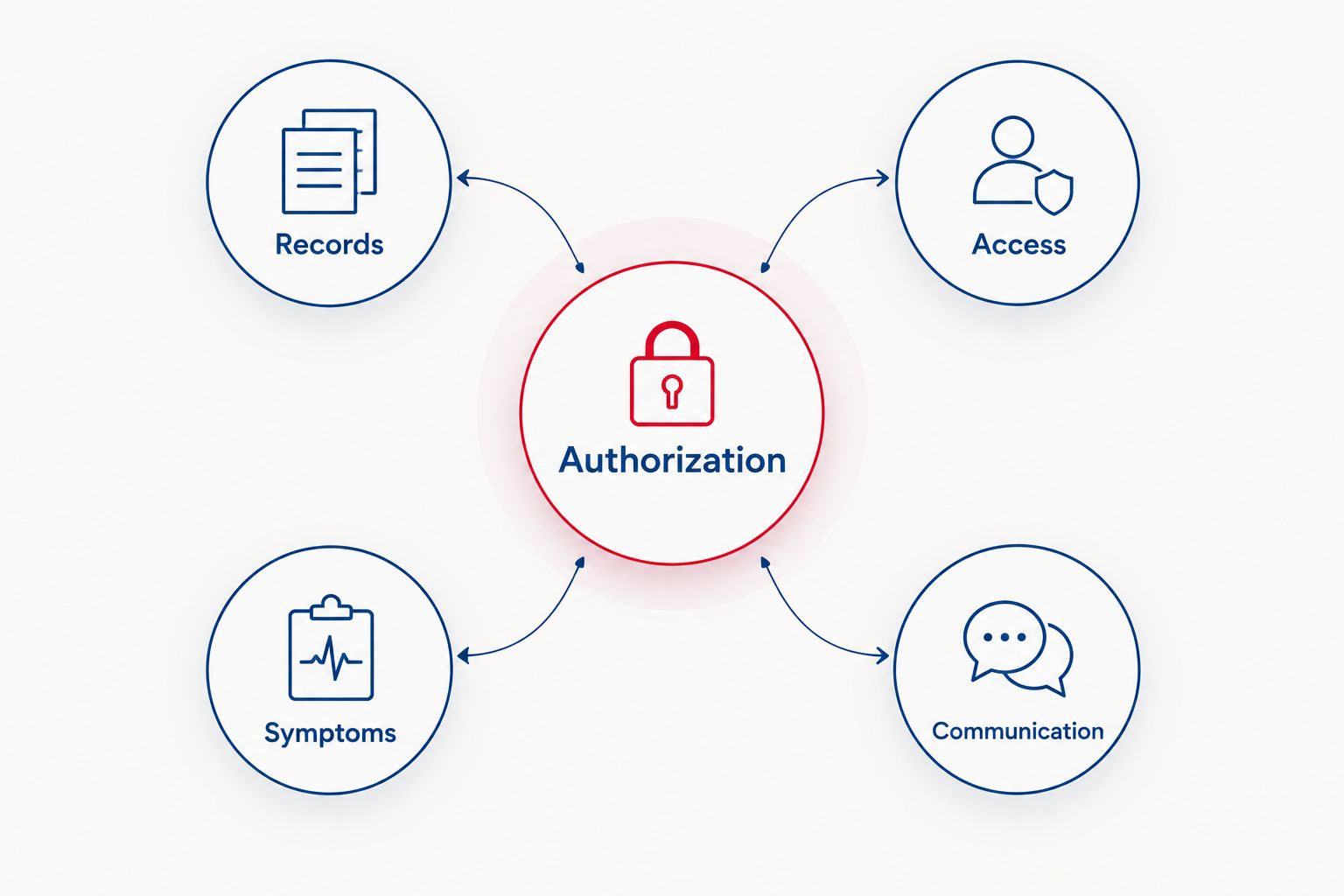
- Records: Send or summarize relevant previous service findings.
- Access: Identify keys, gates, parking restrictions, and cleanout access.
- Symptoms: Describe the affected fixtures and whether the problem repeats.
- Authorization: Name the person who can approve the proposed work.
- Communication: Identify the tenant or onsite contact for updates.
Match cleaning and inspection to the actual problem
Begin with the findings, not a preferred piece of equipment. Your maintenance staff can document symptoms and previous work, but choosing how to clear or inspect a sewer line belongs with the plumbing professional assessing it.
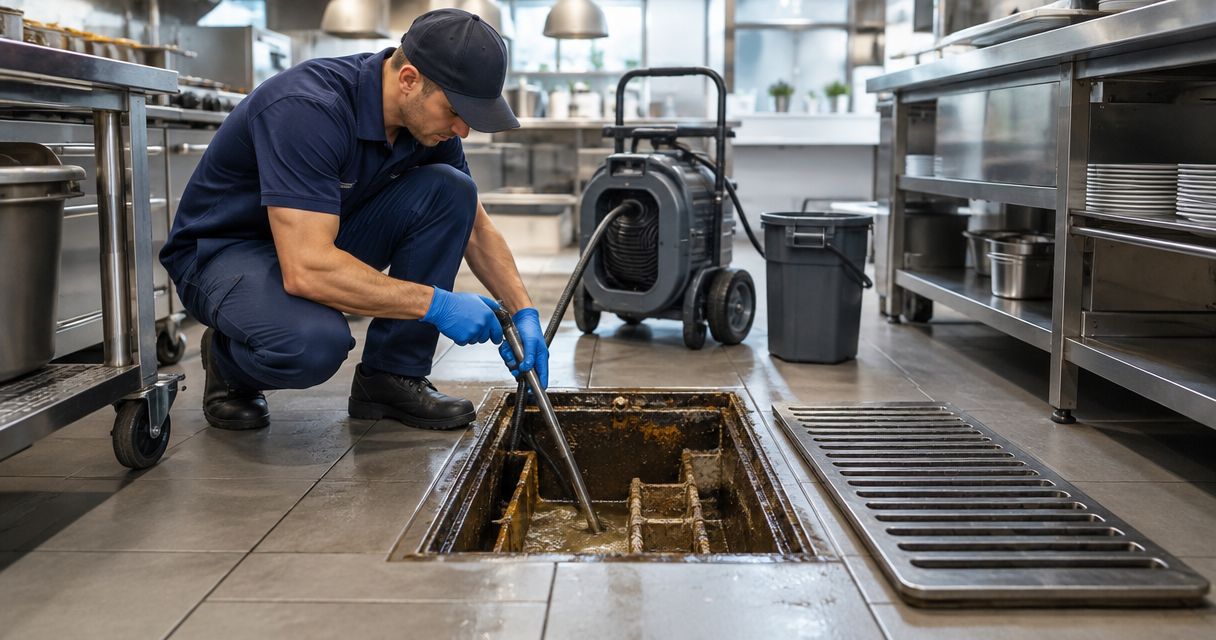
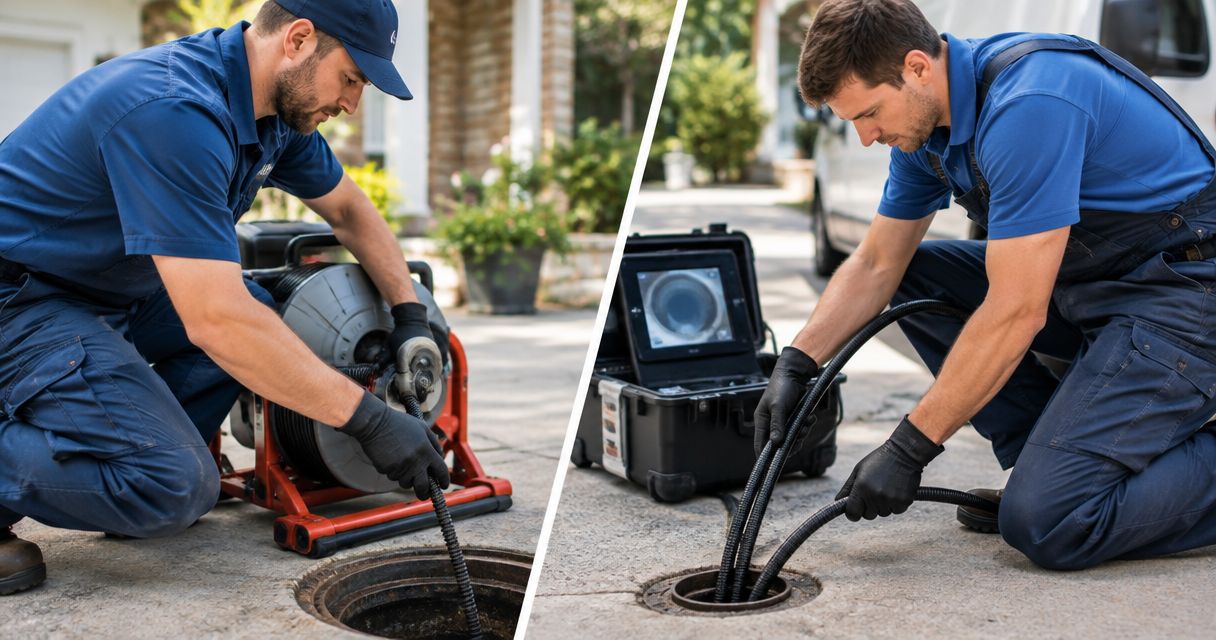
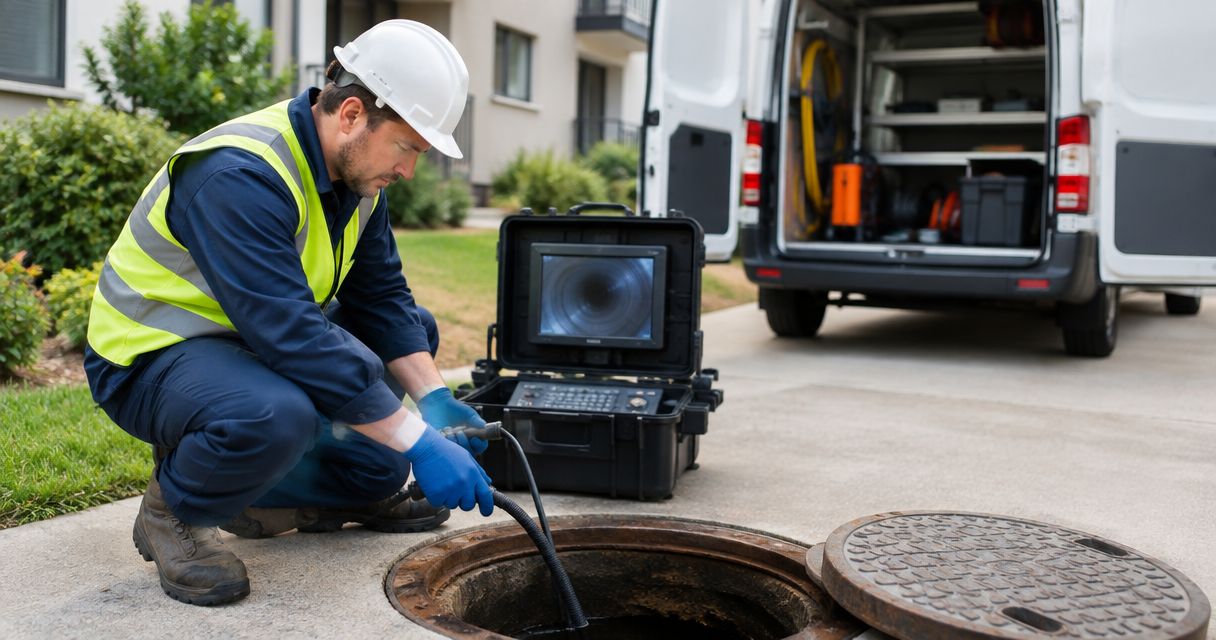
Drain snaking and hydro jetting are cleaning methods. A sewer camera inspection is an investigative tool. Sewer repair addresses a physical defect when the assessment establishes that repair is needed. These are different tasks, and a successful cleaning does not automatically answer questions about pipe condition.
For your 2026 work orders, ask what the proposed service is intended to accomplish. Is the immediate goal to restore drainage, investigate recurrence, or address a confirmed defect? That question makes the scope easier to understand and the follow-up easier to document.
- Ask what finding supports the recommended cleaning method.
- Ask whether pipe condition needs assessment before cleaning.
- Request the location and description of any observed defect.
- Save available inspection footage or written findings.
- Record unresolved questions instead of treating restored flow as a complete diagnosis.
Set follow-up intervals from the property’s history
There is no single cleaning schedule that fits every managed property. Building use, previous blockages, pipe condition, and inspection findings belong in the decision. A mixed-use property with food-service tenants needs a different discussion from a building with no documented recurrence.
Start with a manual review of your work orders. Look for repeated symptoms, repeated locations, and recommendations that were never completed. Then ask the service provider to explain the proposed follow-up interval and the evidence behind it.
For 2026, schedule a 30-day administrative review of open sewer work orders if you need a simple starting routine. This is a check on unfinished tasks, not an instruction to clean the sewer every month. Change the review cadence to match your portfolio and staffing.
- Group repeat complaints by line or location, not just tenant name.
- Track unresolved inspection or repair recommendations.
- Ask what condition would trigger an earlier service visit.
- Give onsite staff a consistent reporting checklist.
- Update the plan after a confirmed change in pipe condition or building use.
Coordinate tenant notices and commercial access
Write the notice before the visit whenever the work is planned. Tell occupants what areas need access, what restrictions the provider has confirmed, and whom to contact with questions. Keep the wording specific; do not announce that all plumbing is unavailable unless that is actually required.
Commercial properties add operational constraints. Restroom access, customer areas, deliveries, and food preparation can affect how work is arranged. Discuss those constraints during booking rather than expecting the technician to resolve every scheduling issue onsite.
Use a named contact for updates so tenants do not receive conflicting instructions. When the scope changes, revise the notice. Do not promise that normal use can resume until the service provider confirms the relevant work is complete.
- Identify the affected units, shared areas, or business spaces.
- State the confirmed access needs and fixture-use restrictions.
- Arrange entry with occupants before the appointment.
- Keep customers and residents away from the work area.
- Send a completion update with any remaining restrictions or follow-up work.
Close the work order with findings and next actions
A paid invoice is not the whole maintenance record. Before closing the ticket, document what caused the complaint if the cause was established, what work was performed, and what remains unresolved. Keep the wording faithful to the technician’s findings.
Compare the result with the original complaint. If drainage is restored but the cause remains uncertain, record both facts. If inspection identifies a defect, keep repair planning separate from the cleaning record so the unresolved item stays visible.
Your next service call should begin with useful history, not a fresh description of the same problem. A short closeout template makes that possible without adding a complicated reporting process.
- Record whether the reported symptom was resolved.
- Save the findings, invoice, and available inspection materials together.
- Assign responsibility for each follow-up action.
- Record the next review or service date when one is agreed.
- Notify affected occupants that the work is complete or explain the remaining step.
Compare sewer maintenance options
Choose by the job each option performs, not by which sounds most thorough. Recordkeeping supports every property, but it cannot clear a clog. Cleaning can restore drainage, but it does not replace repair when a physical defect requires attention.
| Option | Best for | Main benefit | Key limitation |
|---|---|---|---|
| Staff records and symptom checks | Every managed property | Builds a usable history and improves service requests | Cannot establish hidden pipe condition or remove a sewer blockage |
| Drain snaking | Obstructions suited to mechanical clearing | Clears a blockage when the method fits the problem | Does not repair damaged pipe or document the entire line’s condition |
| Hydro jetting | Buildup suited to water-based cleaning after assessment | Cleans deposits from inside the line | Suitability depends on pipe condition and the problem being addressed |
| Sewer camera inspection | Recurring problems or questions about pipe condition | Provides a visual record of accessible pipe interiors | Does not remove an obstruction or replace a repair |
| Sewer repair | A confirmed physical defect requiring correction | Addresses the damaged section or identified defect | Requires a defined scope and property-specific access planning |
Ask the provider to explain the recommendation in plain language. A useful answer connects the observed condition to the proposed work and identifies what that work will not resolve. Keep that explanation in the property file.
Common mistakes property managers make
Treating repeat clogs as unrelated tickets
Separate unit numbers can hide a shared pattern. Review earlier complaints before approving another clearing, and ask whether the affected fixtures connect to the same line. Do not claim a shared-line cause until it is established.
Scheduling cleaning without a documented reason
A calendar reminder is not evidence that a sewer needs cleaning. Base the service plan on property use, history, and findings. Keep administrative review dates separate from plumbing-service intervals.
Booking work without access or approval arrangements
A technician cannot use a locked cleanout area, and a tenant should not have to guess who approves additional work. Assign an onsite contact and an authorization contact before the appointment.
Calling restored drainage a permanent repair
Clearing a blockage and correcting a damaged pipe are different outcomes. Close the immediate complaint when appropriate, but keep any recommended investigation or repair open until it is addressed.
Confusing sewer problems with water-supply leaks
A wet area does not identify its source. Report when water appears, which fixtures are involved, and whether it continues when fixtures are unused. Request diagnosis rather than labeling every plumbing complaint a sewer failure.
FAQ
How often should a property manager schedule sewer cleaning?
Set sewer-cleaning intervals from the property’s blockage history, use, pipe condition, and professional findings. There is no single interval that fits every building. Keep routine work-order reviews separate from actual cleaning appointments.
What should I do when several tenants report backed-up drains?
Limit use of affected fixtures, keep occupants away from wastewater, and arrange plumbing assessment. Report which units and fixtures are affected, when the problem started, and any previous work on the same line.
Is a sewer camera inspection better than drain cleaning?
A sewer camera inspection and drain cleaning serve different purposes. Inspection helps investigate pipe condition; cleaning removes obstructions. Ask which task addresses the current problem and whether both are needed.
Should property managers request hydro jetting for every clog?
No—choose the cleaning method after the problem and pipe condition are assessed. Hydro jetting is one option for suitable buildup, not a universal answer to every blocked drain or damaged sewer line.
Who should approve additional sewer work at a managed property?
The person authorized under the property’s management arrangement should approve additional work. Identify that person before the visit and explain how the technician can reach them if findings change the proposed scope.
Does $15 Sewer & Drain answer calls outside business hours?
A live dispatcher answers calls 24 hours a day. Confirm the appropriate service, booking details, and technician arrival expectations by phone; call answering does not establish an arrival guarantee.
What records should I keep after a sewer service visit?
Keep the reported symptoms, service findings, work performed, invoice, and available inspection materials together. Record whether the complaint was resolved and assign any remaining inspection or repair action to a named contact.
One last thing
A cleared line and a solved cause are not the same record. Add separate fields for symptom resolved and cause established to your 2026 closeout template. That small change keeps an unresolved sewer concern from disappearing behind a completed work order.
When you book service with $15 Sewer & Drain, bring the previous findings and explain the current symptoms. Ask what the visit should resolve and what follow-up will remain. Clear expectations help you keep occupants informed without making promises the work has not established.