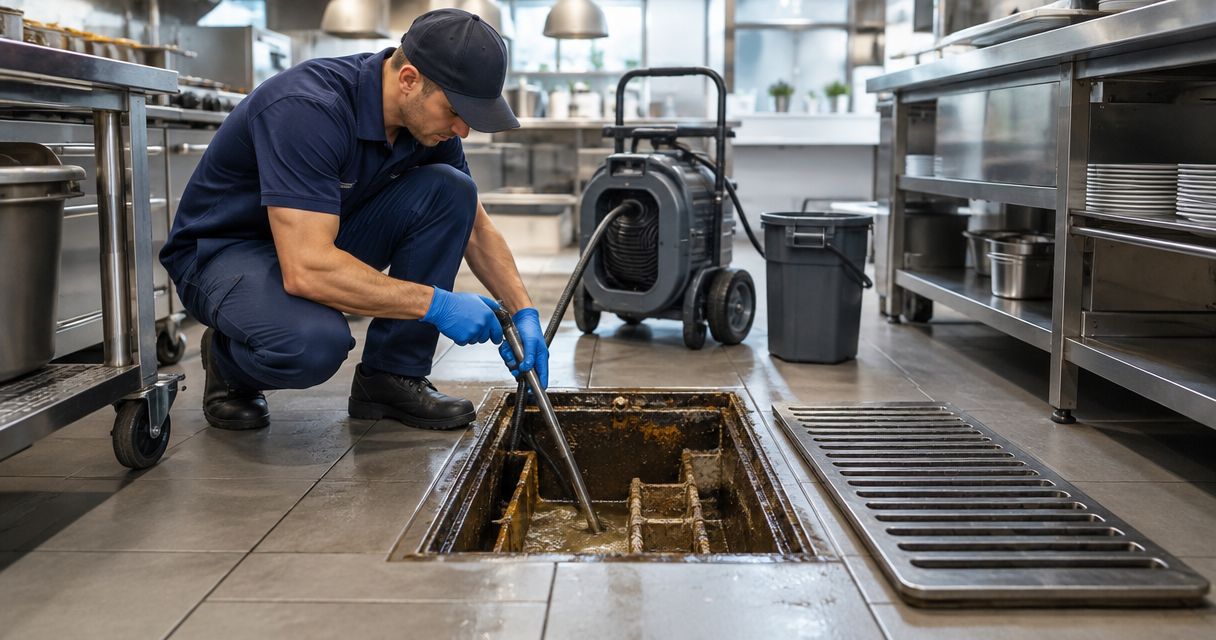
Restaurant grease trap cleaning is the removal of accumulated grease and food solids from a grease-control device to keep kitchen wastewater flowing and support proper waste handling. Restaurants also need drain cleaning when grease or other debris blocks the connected pipes; cleaning the trap alone does not resolve every backup.
- Grease trap cleaning for restaurants removes retained waste; drain cleaning addresses blockages in connected pipes.
- $15 Sewer & Drain fits San Jose restaurants seeking local commercial plumbing and drain cleaning.
- Confirm grease-waste removal, pipe cleaning, and disposal documentation separately before booking.
- Base your 2026 maintenance schedule on inspections, kitchen use, and applicable local requirements.
Why grease trap cleaning matters for restaurants
A restaurant kitchen sends food residue, fats, oils, and grease into its wastewater system. A grease trap or interceptor retains some of that material before wastewater continues downstream. Retained waste needs removal, while connected drains need separate attention when flow slows or stops.
Treat grease removal and drain clearing as two separate service scopes. An emptied trap does not prove the outlet pipe is clear. A flowing sink does not prove the trap has been properly cleaned.
For San Jose restaurants, $15 Sewer & Drain provides residential and commercial plumbing and drain cleaning. The $15 in the company name is the service charge only, not the total job price; flat-rate pricing is provided by phone before the technician arrives based on the problem. Confirm whether the requested work includes grease-device cleaning, waste removal, or only the connected plumbing.
Your 2026 maintenance plan should account for kitchen operations, access, and responsibility for shared pipes. In a leased restaurant, the person booking service also needs to know whether the restaurant or property manager authorizes work beyond the tenant space.
How to manage restaurant grease traps and drains
Identify the device and affected drains
Start with a walk-through and your existing maintenance records. Locate the grease device, connected sinks, floor drains, and accessible cleanouts. Do not assume every drain in the kitchen passes through the same trap.
Make 3 checks before booking: identify where water backs up, determine which fixtures are affected, and locate the last service record. These observations help explain the problem without guessing at its cause.
A small device under a sink and a larger interceptor outside the building require different access arrangements. Give the provider the information you can safely confirm; leave uncertain pipe connections for inspection. Never enter an interceptor or another confined space.
- Record the device location and any readable equipment information.
- Note which sinks or floor drains drain slowly.
- Mark accessible cleanouts without opening them during a backup.
- Find the most recent cleaning invoice or service report.
- Ask the property manager who controls shared sewer access.
Reduce grease and food entering the drains
Your first maintenance measure is a kitchen routine, not a service appointment. Scrape food into the appropriate waste container before washing dishes. Collect used cooking oil separately rather than pouring it into a sink or floor drain.
Hot water and detergent do not replace grease removal. Grease that leaves the sink can still accumulate farther along the wastewater route. Keep strainers in place and make waste handling part of staff training, including during closing cleanup.
For your 2026 kitchen checklist, assign responsibility to a role rather than relying on whoever notices a problem. The closing lead should know what to check and how to report it.
- Scrape plates, pans, and utensils before washing.
- Keep food-catching strainers fitted and empty them into waste containers.
- Store used cooking oil in its designated collection container.
- Keep grease out of floor drains during cleanup.
- Report missing strainers and slow drainage to the shift lead.
Separate trap cleaning from pipe cleaning
Review the previous service report first. It should help distinguish waste removed from the device from work performed on inlet, outlet, or downstream pipes. If the report only says that a drain was cleared, ask what was actually serviced.
Commercial drain cleaning from $15 Sewer & Drain is an option for San Jose restaurants with blocked connected plumbing. Confirm grease-trap pumping and waste handling separately rather than assuming they are included. A plumbing appointment and a grease-waste collection appointment are not automatically interchangeable.
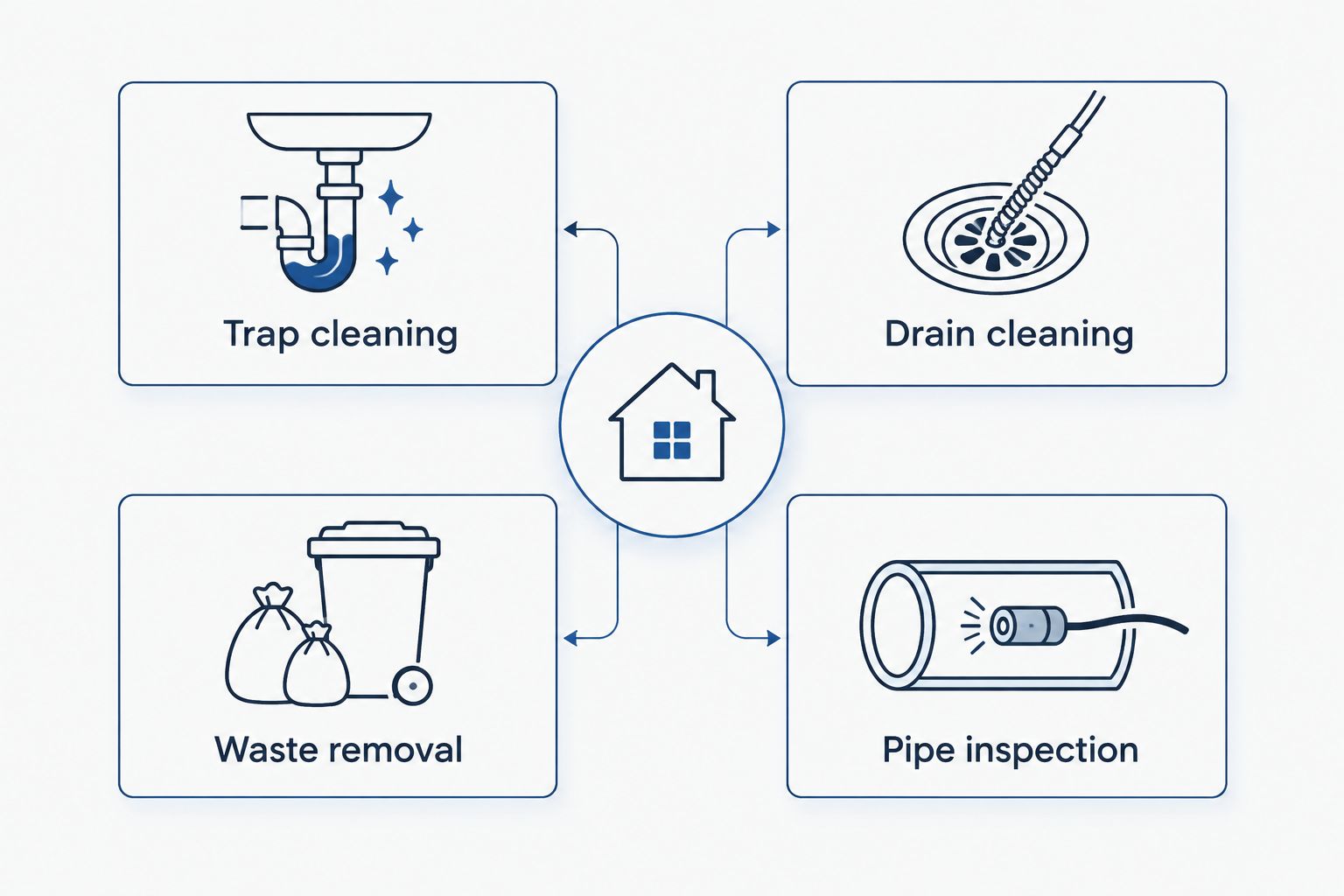
Use these service labels when discussing the job. They describe different work, even when one visit involves more than one task.
- Trap cleaning: remove retained grease and food solids from the device.
- Drain cleaning: clear an obstruction in connected piping.
- Waste removal: collect removed material for appropriate handling.
- Pipe inspection: investigate recurring blockages or suspected pipe defects.
Choose the cleaning method for the actual blockage
Begin with symptoms and service history, not a preferred tool. A single slow sink calls for a different investigation from several kitchen fixtures backing up together. Recurring problems also need a different conversation from a first-time obstruction.
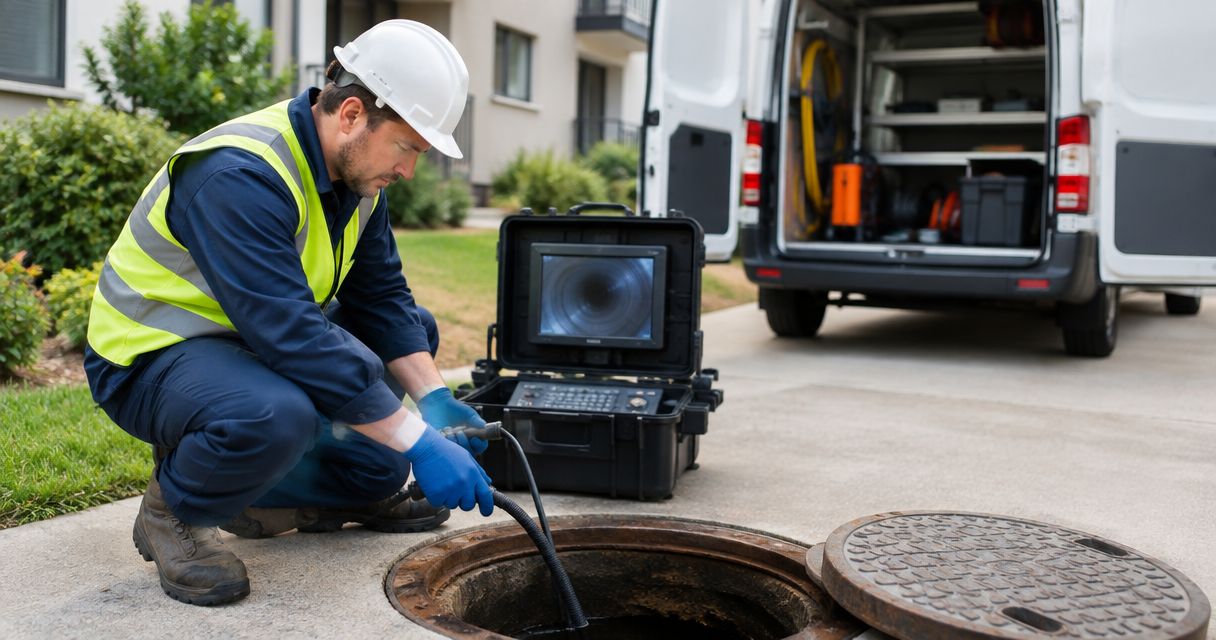
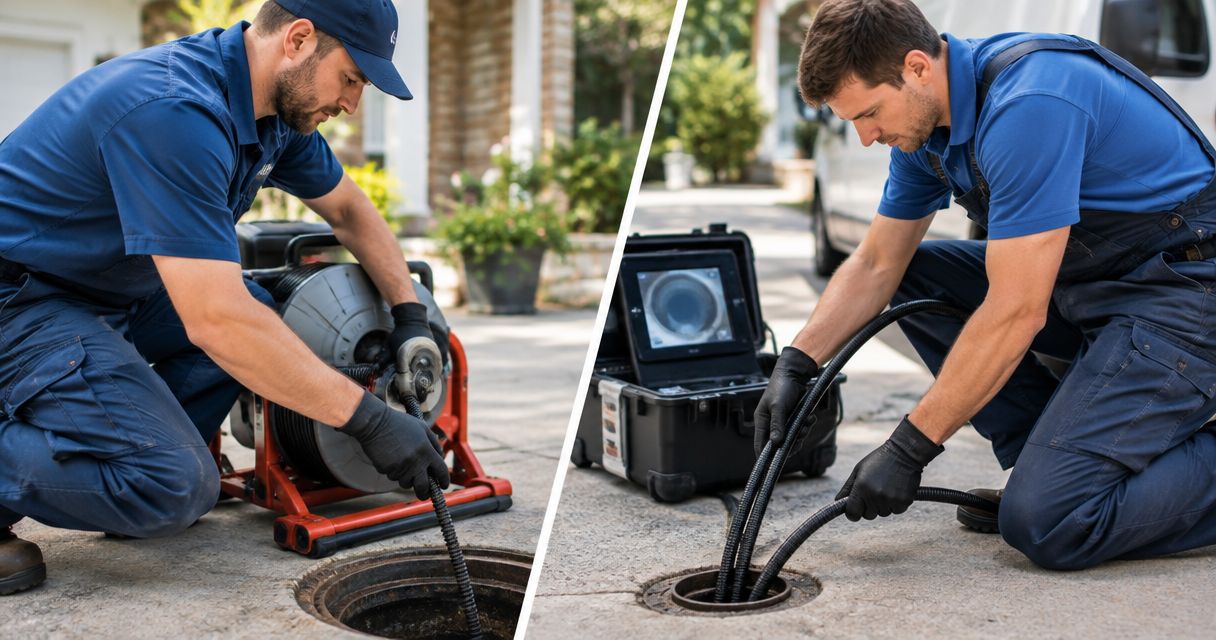
A drain cable can address an obstruction, while hydro jetting uses pressurized water to clean inside piping. Neither method removes the need to empty and clean a grease device. Pipe condition, access, and the location of the blockage determine the appropriate approach.
The guide to drain cleaning methods: snake, jetting, or trenchless helps distinguish clearing a pipe from repairing it. Trenchless sewer repair is repair work, not a grease-trap maintenance method.
- Describe whether one fixture or several fixtures are affected.
- Explain whether the blockage returned after earlier cleaning.
- Ask which section of pipe the proposed work will address.
- Ask whether pipe condition needs assessment before jetting.
- Request an explanation when repair is recommended instead of cleaning.
Set a schedule from inspections and requirements
Start with the device manufacturer's instructions, previous service findings, and applicable local wastewater requirements. Do not copy another restaurant's interval simply because its kitchen looks similar. Cooking practices, wastewater connections, device size, and accumulated waste all affect the maintenance decision.
For a 2026 schedule, record the condition found at each visit and use that record when reviewing the next service date. Ask the provider what observation supports the interval and verify any required schedule with the authority responsible for your wastewater discharge.
Some maintenance guidance uses a combined grease-and-solids threshold. Do not apply a remembered threshold without confirming how it is measured and whether it governs your specific device.
- Locate the manufacturer's cleaning and inspection instructions.
- Confirm applicable requirements with the local wastewater authority.
- Record grease and solids observations from each service.
- Review the schedule when menu or kitchen usage changes.
- Set the next inspection or service date before closing the work order.
Prepare access and authorize the right work
Before calling, prepare the restaurant address, device location, symptoms, and last service date. Explain whether staff can reach the device safely and whether access passes through a food-preparation area, parking area, or shared building space.
$15 Sewer & Drain has a live dispatcher answering calls 24 hours a day. When booking by phone, ask for the technician arrival expectation and explain your operating hours. Do not treat dispatch availability as a guaranteed arrival time.
Coordinate the visit with the manager who can approve work. If the job expands from drain clearing to pipe repair, the provider needs a clear authorization route rather than instructions passed between several employees.
- Give the dispatcher a plain description of the backup.
- Identify the person authorized to approve the work.
- Explain access restrictions and restaurant operating hours.
- Ask whether equipment access requires property-manager approval.
- Confirm the quoted scope and arrival expectation by phone.
Verify the result and keep the service record
After service, ask what was removed, which device or pipe was cleaned, and what remains unresolved. Check the affected fixtures with the technician when it is safe to do so. Flow returning is useful evidence, but it does not establish that every maintenance task was completed.
Keep the invoice and any waste-handling record together. Your 2026 service log should connect the original complaint to the work performed and the follow-up recommendation. That makes a returning problem easier to investigate and helps the next manager avoid starting from scratch.
- Record the device and pipe sections serviced.
- Save the invoice and any disposal documentation provided.
- Note whether the affected fixtures drained after service.
- Document defects or access problems that remain unresolved.
- Assign the next maintenance action to a named manager.
Compare restaurant grease and drain service options
Choose by the work required, not by a method name alone. Routine kitchen practices reduce what enters the system, but they do not replace removal of retained waste. Professional cleaning addresses existing buildup; inspection helps investigate why a problem returns.
| Option | Best for | Main benefit | Key limitation |
|---|---|---|---|
| Staff grease-control routine | Daily kitchen waste prevention | Keeps avoidable grease and food out of drains | Does not empty the grease device or clear an existing blockage |
| Grease-trap or interceptor cleaning | Removing retained grease and solids | Addresses buildup inside the device | Does not automatically include downstream pipe cleaning |
| Cable drain cleaning | Addressing a pipe obstruction | Targets a blockage through available access | Clearing an obstruction does not establish that pipe walls are clean |
| Hydro jetting | Cleaning buildup inside suitable piping | Uses pressurized water to clean the pipe interior | Requires suitable access and an assessment of the piping |
| Sewer camera inspection | Investigating recurring drain problems | Helps examine accessible pipe interiors | Inspection does not remove grease or repair a defect |
| Commercial plumbing and drain service | Coordinating blocked drains or plumbing repairs | Addresses the connected plumbing problem | Grease-waste removal and disposal need separate scope confirmation |
For a San Jose restaurant, $15 Sewer & Drain is a fit for local commercial plumbing and drain cleaning. Its stated service offering does not establish the grease-waste removal scope for your particular device; confirm that work before booking.
Ask the provider to explain what each proposed task accomplishes. A useful service recommendation connects the symptom, the suspected location, and the work required. It does not simply name equipment.
Common mistakes restaurants make
Booking a pump-out for every drainage problem
Removing waste from a grease device does not clear every connected pipe. If several fixtures back up or the problem returns after service, explain those symptoms and request assessment of the connected drains. Do not repeatedly purchase the same scope without checking what remains blocked.
Using drain additives instead of waste removal
An additive does not physically remove retained waste from the premises. Do not use chemicals, enzymes, or other products as a substitute for required cleaning and disposal. Confirm any proposed treatment with the device instructions and applicable wastewater requirements.
Letting landlord responsibility delay the call
Shared pipes create an approval problem as well as a plumbing problem. Keep the property manager's authorization process available to the restaurant manager. Decide who books service and who approves work outside the tenant's space before a backup occurs.
Recording only that the drain is working
A short note about restored flow leaves the next manager without maintenance history. Record the device cleaned, pipe sections addressed, findings, and next action. Those details help distinguish routine buildup from a recurring unresolved defect.
FAQ
What's the difference between grease trap cleaning and drain cleaning for restaurants?
Grease trap cleaning removes retained grease and food solids from the device, while drain cleaning addresses obstructions in connected pipes. A restaurant can need both services, so confirm each scope when booking.
How often should a restaurant clean its grease trap?
Set the cleaning interval using applicable wastewater requirements, the manufacturer's instructions, and documented buildup. Review the interval when kitchen usage changes rather than adopting another restaurant's schedule.
Can restaurant staff handle grease trap maintenance themselves?
Restaurant staff can reduce grease entering drains and keep maintenance records, but those tasks do not replace device cleaning and waste removal. Confirm who is qualified and authorized to clean the device and handle the removed waste.
Is hydro jetting better than snaking for a restaurant drain?
The appropriate method depends on the obstruction, pipe condition, and access. A cable addresses an obstruction, while hydro jetting cleans pipe interiors with pressurized water; neither replaces grease-trap cleaning.
What should I do if a kitchen floor drain backs up?
Stop using the affected fixtures and keep staff away from the wastewater. Contact a commercial plumbing provider, describe which drains are affected, and avoid opening a backed-up cleanout yourself.
Does a flowing sink mean the grease trap is clean?
No, restored sink flow does not establish that retained grease and solids were removed from the trap. Ask which device and pipe sections were serviced and keep the written record.
What should I ask when booking restaurant drain service in San Jose?
Ask what work is included, whether grease-waste removal is covered, and what access the technician needs. Confirm the arrival expectation, authorization contact, and any documentation supplied after service.
One last thing
A drain that works today is not a maintenance record. Before closing the service ticket, write down what was cleaned and what still needs attention. That small distinction keeps the next appointment focused on the actual problem rather than repeating the last visit.
For your 2026 restaurant maintenance folder, keep the service report beside the device information and property-manager authorization details. The person working the next shift should be able to find all three without calling an off-duty manager.