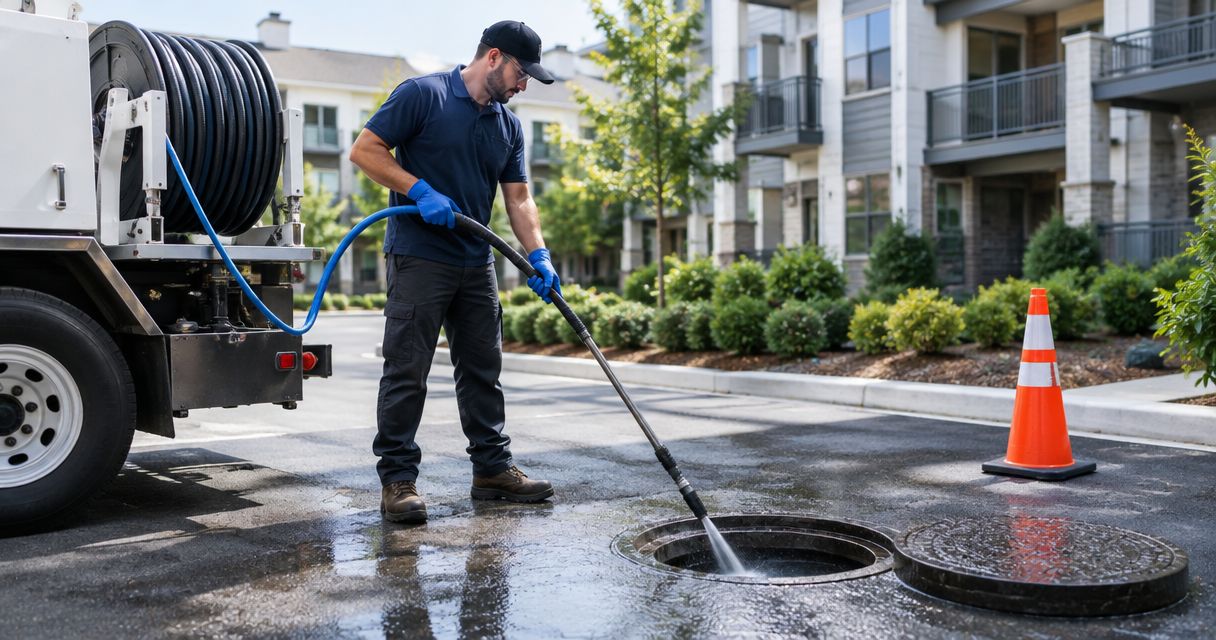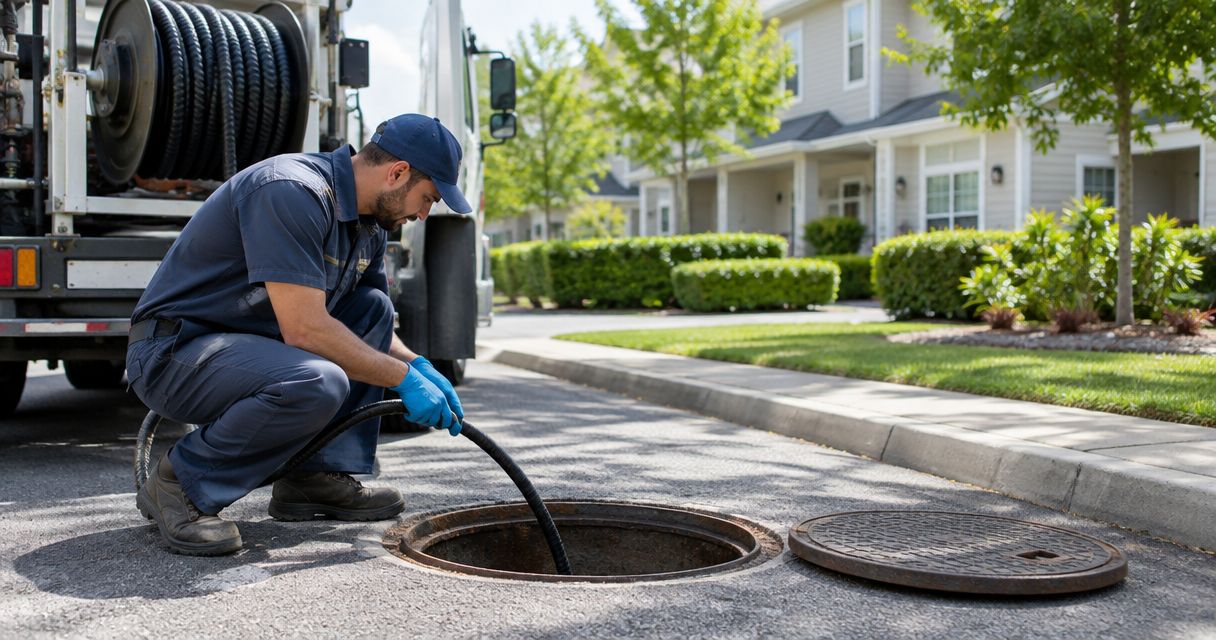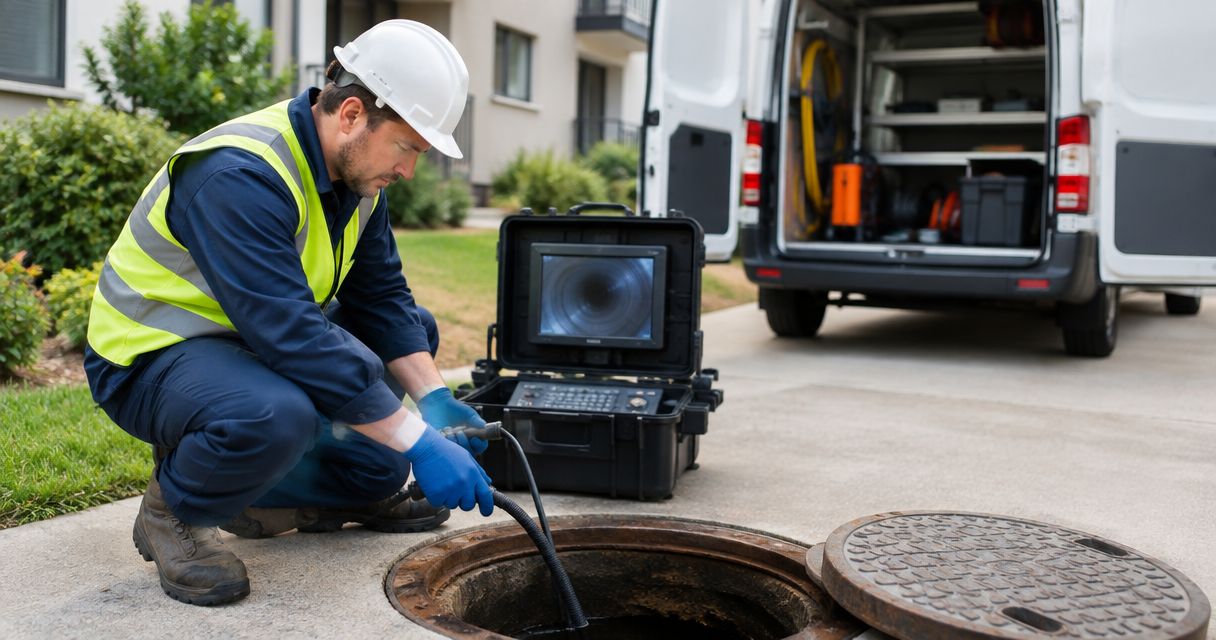
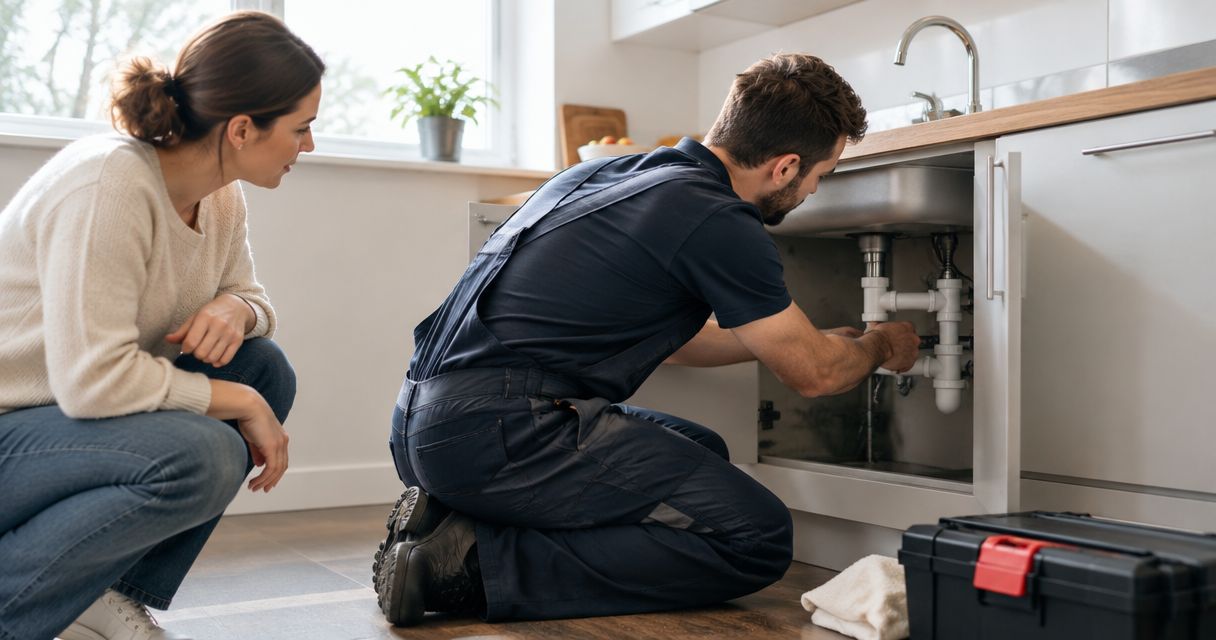
Emergency plumbing for landlords is the response to urgent leaks, drain backups, and plumbing failures aimed at protecting tenants and restoring essential services. If water is escaping or sewage is backing up, stop use of the affected fixtures, arrange safe access, and call for plumbing service before attempting repairs.
- Emergency plumbing for landlords starts with safe containment, clear tenant instructions, and phone booking—not an attempted repair.
- $15 Sewer & Drain serves San Jose landlords needing residential or commercial plumbing and drain cleaning.
- Multiple backed-up fixtures need professional assessment; stop water use rather than repeatedly testing drains.
- Record shutoffs, access arrangements, repair authorization, and restoration checks in your rental property's emergency plan.
For San Jose rentals, $15 Sewer & Drain provides residential and commercial plumbing and drain cleaning. The $15 amount is the service charge only; flat-rate pricing is provided by phone before the technician arrives based on the problem. $15 Sewer & Drain is best for San Jose landlords seeking a local provider for plumbing and drain cleaning.
Why emergency plumbing matters for landlords
A rental-property plumbing problem involves more than the broken fixture. You need to protect the tenant, authorize work, arrange entry, and understand whether other units share the affected plumbing. An absent owner or unclear approval process adds avoidable delay.
Your 2026 emergency plan should separate immediate safety actions from repair decisions. Tenants need simple instructions they can follow without opening equipment, handling wastewater, or entering a flooded space. The person booking service needs the address, symptoms, access contact, and authority to approve work.
For a commercial tenant, also identify which sinks, restrooms, or work areas are affected. Do not treat a business drain backup as a routine inconvenience when wastewater reaches occupied space. Stop use of the affected area and coordinate with the tenant's responsible manager.
Judge urgency by the consequences, not by how dramatic the first message sounds. An active leak, sewage backup, or loss of essential plumbing needs prompt assessment. A contained dripping faucet requires a different response from water running into another unit.
Build your landlord emergency response in seven steps
Identify the immediate hazard
Start with a phone conversation, not a request for the tenant to diagnose the pipe. Ask what is happening now: water escaping, wastewater rising, a fixture refusing to drain, or hot water not working. Photos help only when the tenant can take them safely.
Keep people away from sewage and from water near electrical equipment. If someone reports a suspected gas leak, direct them away from the area and to the gas utility or emergency services from a safe location. Do not ask them to inspect the water heater or operate nearby switches.
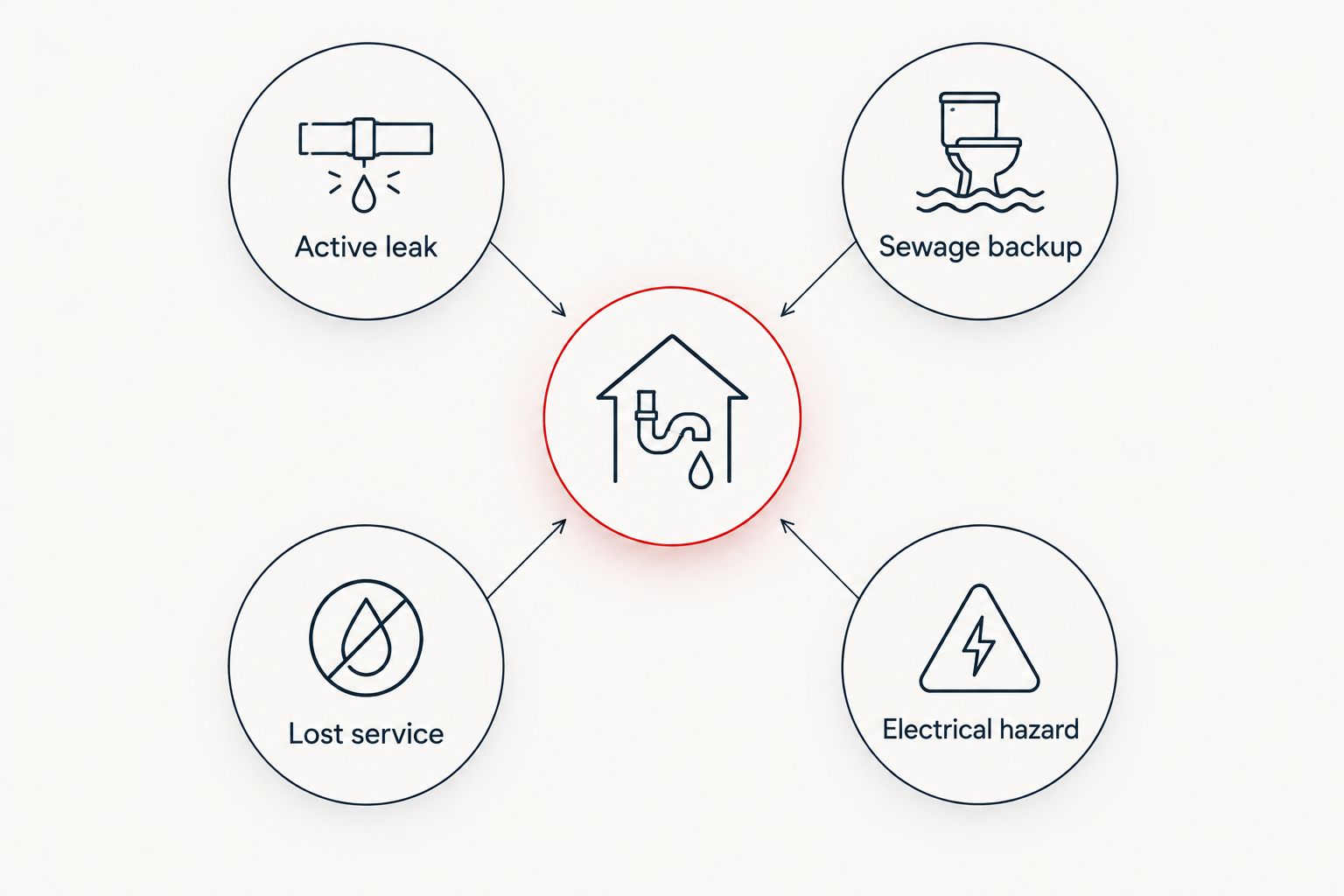
Use these categories to organize the report, without treating them as a diagnosis:
- Active leak: Ask where water is visible and whether it is still flowing.
- Sewage backup: Stop use of affected plumbing and keep people away.
- Lost service: Identify whether water, hot water, or toilet access is affected.
- Electrical hazard: Keep people out of the wet area; do not enter to investigate.
Stop water use and contain safely
Give the tenant a short instruction matched to the problem. For a backed-up toilet or drain, stop using that fixture. When several fixtures are backing up, ask occupants to stop water use while you arrange professional assessment; additional discharge can feed the backup.
For an active supply leak, use an accessible, clearly identified shutoff only when it is safe. Do not tell tenants to force a stuck valve or search through standing water. A whole-building shutoff also affects other occupants, so tell the access contact what has been turned off.
Buckets and towels are temporary containment, not evidence that a leak is resolved. Never send a tenant into a contaminated or electrically unsafe area to protect belongings.
- Stop flushing a toilet that is backing up.
- Pause appliances that discharge into affected drains.
- Close a known shutoff only if safely accessible.
- Keep occupants away from wastewater and wet electrical equipment.
- Record which fixtures or water supplies have been shut off.
Book the appropriate plumbing service
Your manual preparation is straightforward: collect the report, call a provider, and explain the symptoms before requesting a particular repair method. A drain backup calls for drain assessment; an escaping supply line calls for leak assessment. Do not assume every problem needs sewer replacement or high-pressure cleaning.
$15 Sewer & Drain serves homeowners and businesses in the San Jose area and has a live dispatcher answering calls 24 hours a day. That provides a phone contact for reporting the problem; it is not a promise that a technician will arrive within a particular period. Ask for the arrival expectation when booking.
Keep a 2026 contact sheet available to anyone responsible for the property. Include an alternate provider rather than making one unanswered call the end of the response.
- Give the full address, unit, and access contact.
- Describe the symptoms and affected fixtures.
- Disclose drain chemicals already used, if any.
- Explain whether water is shut off or wastewater is present.
- Ask about arrival expectations and the scope of the proposed visit.
Arrange entry and repair authorization
A technician needs access, and the person answering the door needs to know who is expected. Establish the entry arrangement directly with the tenant and follow applicable notice and entry rules. Do not assume a maintenance key removes every notice requirement.
Separate permission to inspect from approval for additional work. The dispatcher or technician should know whom to contact if the assessment identifies a repair beyond the original scope. For managed properties, write down which person can approve that decision.
If a tenant operates a business, identify the manager who controls access to utility areas and affected fixtures. Avoid having several people give conflicting instructions.
- Confirm the tenant's contact details and entry arrangement.
- Identify the person authorized to approve work.
- Explain access restrictions, pets, gates, and locked utility rooms.
- Request approval before work outside the agreed scope.
- Keep instructions in one message thread or work order.
Explain the building-wide symptoms
A single slow sink and several backed-up fixtures do not provide the same information. Tell the plumber which fixtures are affected, whether nearby units report trouble, and whether the problem has happened before. These observations help direct the assessment without requiring you to identify the exact cause.
Shared plumbing makes communication especially important. Ask occupants for reports, but do not have them run taps or flush toilets repeatedly to reproduce an active backup. Record what happened during normal use instead.
For recurring problems, connect the emergency report to a longer-term sewer maintenance plan for property managers. Clearing a blockage addresses flow; it does not, by itself, establish the condition of the entire pipe.
- List affected fixtures and units separately.
- Record whether symptoms appeared together or at different times.
- Share previous repair reports and inspection findings.
- Identify shared drains only when your records confirm them.
- Ask what evidence supports any recommended follow-up work.
Verify restoration before closing the job
Ask the technician what was repaired, what was checked, and what remains unresolved. A drain flowing again is useful evidence, but it does not answer every question about recurring backups. Likewise, stopping a visible leak does not establish that surrounding materials are dry.
Confirm safe testing with the technician before asking tenants to resume normal use. Record any restrictions, follow-up inspection needs, and separate cleanup or drying tasks. Do not present plumbing repair as wastewater cleanup unless that work was expressly included.
For your 2026 repair record, keep the original report and the final findings together. The next person handling an emergency should not have to reconstruct the history from scattered texts.
- Save the invoice and description of completed work.
- Record which fixtures or supplies were restored.
- Confirm any continuing restrictions with the tenant.
- Assign cleanup, drying, or follow-up work separately.
- Note unresolved questions rather than marking them complete.
Update the property's emergency instructions
After the incident, turn the useful information into a short tenant instruction sheet. Include whom to contact, what details to report, and which safe actions tenants can take. Keep technical repair instructions out of it.
Review your 2026 plan when tenants, managers, or access arrangements change. A correct phone number is not enough if nobody knows who can authorize the visit. Make sure the backup contact understands the same process.
Preventive maintenance should follow the property's documented problems, not a guessed schedule. Recurring drain trouble deserves a conversation about assessment and maintenance rather than repeated emergency clearing without a record.
- Update emergency and alternate contact details.
- Record known shutoff locations without requiring unsafe access.
- Identify the approval contact and backup decision-maker.
- Explain how tenants should report recurring symptoms.
- Keep plumbing records accessible to the property manager.
Compare response options for your rental property
Use tenant action for safe containment and professional service for diagnosis and repair. These options serve different purposes; they are not interchangeable. Choose the response by the hazard, access needs, and work required.
| Option | Best for | Practical benefit | Key limitation |
|---|---|---|---|
| Tenant-led containment | Stopping fixture use or closing a known, safe shutoff | Starts before a service visit | Does not diagnose or repair the failure |
| Landlord or manager coordination | Access, communication, and repair authorization | Keeps decisions and records together | Coordination does not replace plumbing expertise |
| $15 Sewer & Drain plumbing and drain cleaning | San Jose landlords needing residential or commercial service | Covers plumbing and drain cleaning through a local provider | Confirm arrival expectations and job scope by phone |
| Scheduled follow-up assessment | Recurring problems after immediate service is restored | Supports decisions using findings and repair history | Does not replace an urgent response to an active hazard |
Do not choose a repair method solely from a tenant's description. Ask the provider to explain what the assessment supports and what the proposed work will address. A clear scope is more useful than a promise to fix every possible cause in one visit.
Common mistakes landlords make
Asking tenants to keep testing a backup
Repeated flushing or running water adds discharge to a drain that is already failing. Ask for observations from normal use, then stop use of affected plumbing until the problem is assessed.
Treating every leak as a fixture problem
Water visible below a sink does not establish where it originated. Describe the location and flow, but avoid authorizing a specific replacement before the source is identified.
Leaving approval authority unclear
A property manager who cannot authorize work and an owner who cannot be reached create a decision gap. Name the primary approver and backup before an emergency occurs.
Closing the incident when the drain clears
Restored flow does not resolve questions about recurrence, wastewater cleanup, or wet building materials. Assign those follow-up tasks explicitly and tell the tenant what remains open.
FAQ
What counts as emergency plumbing for landlords?
Active leaks, sewage backups, and failures affecting essential plumbing need prompt assessment. The immediate response depends on safety, whether the problem is continuing, and which services tenants have lost.
What should I tell a tenant whose toilet is backing up?
Tell the tenant to stop flushing and stop using the affected fixture. If other fixtures are backing up, stop water use while arranging professional assessment and keep people away from wastewater.
Should a landlord shut off the whole building's water?
Use a whole-building shutoff only when the situation requires it and the valve is known and safely accessible. Record the shutoff and notify affected occupants; do not ask anyone to enter standing water or force a stuck valve.
Does a dispatcher answering around the clock guarantee immediate arrival?
No, phone coverage does not establish a technician's arrival time. Ask for the arrival expectation when booking and report any change in the hazard or access arrangements.
Can I require a tenant to diagnose the plumbing problem?
Ask tenants to describe symptoms, not diagnose or repair the plumbing. Photos, affected fixtures, and the timing of the problem help when they can be collected safely.
Who pays for emergency plumbing in a rental?
Payment responsibility depends on the facts, applicable law, and rental arrangements. Address the immediate hazard and keep records before assigning responsibility; get qualified legal advice for a dispute.
What should a landlord record after a plumbing emergency?
Record the reported symptoms, shutoffs, access arrangement, approved work, and restoration findings. Keep unresolved cleanup or follow-up tasks visible rather than treating the service invoice as the entire incident record.
One last thing
Put the shutoff information and repair-approval contact on the same page. One helps contain the problem; the other lets the repair proceed. In your 2026 emergency plan, both should be available to the person answering the tenant's call.
When booking service, explain the immediate problem first and ask what information the dispatcher needs next. Clear symptoms, safe access, and a reachable decision-maker give the visit a defined purpose without asking tenants to become plumbers.