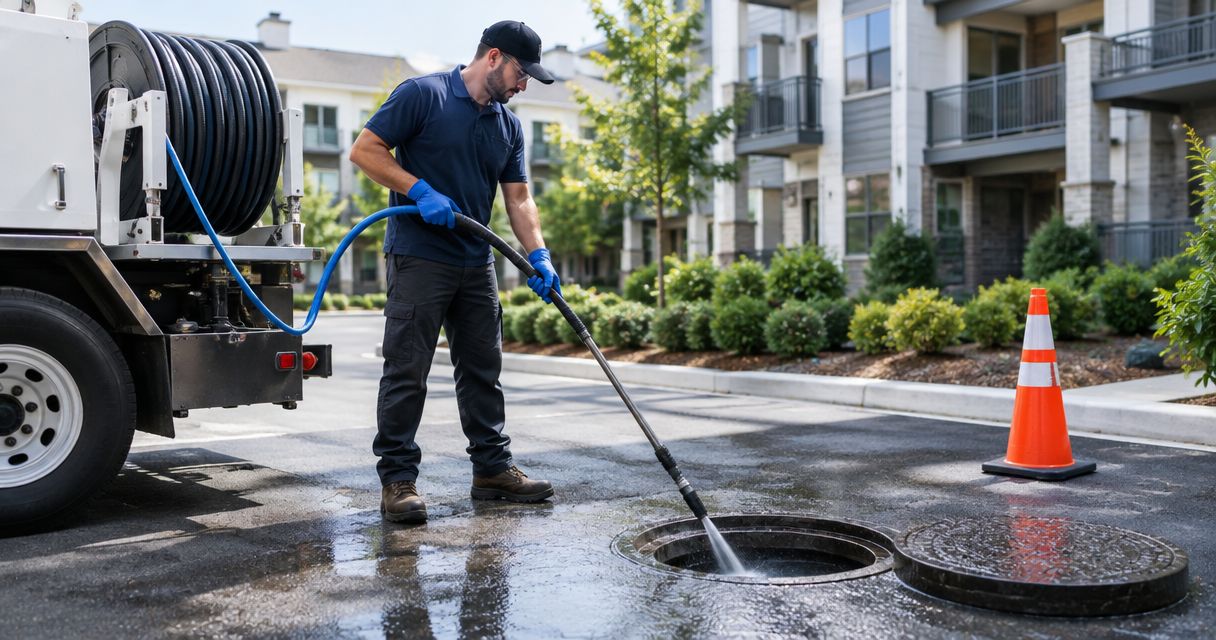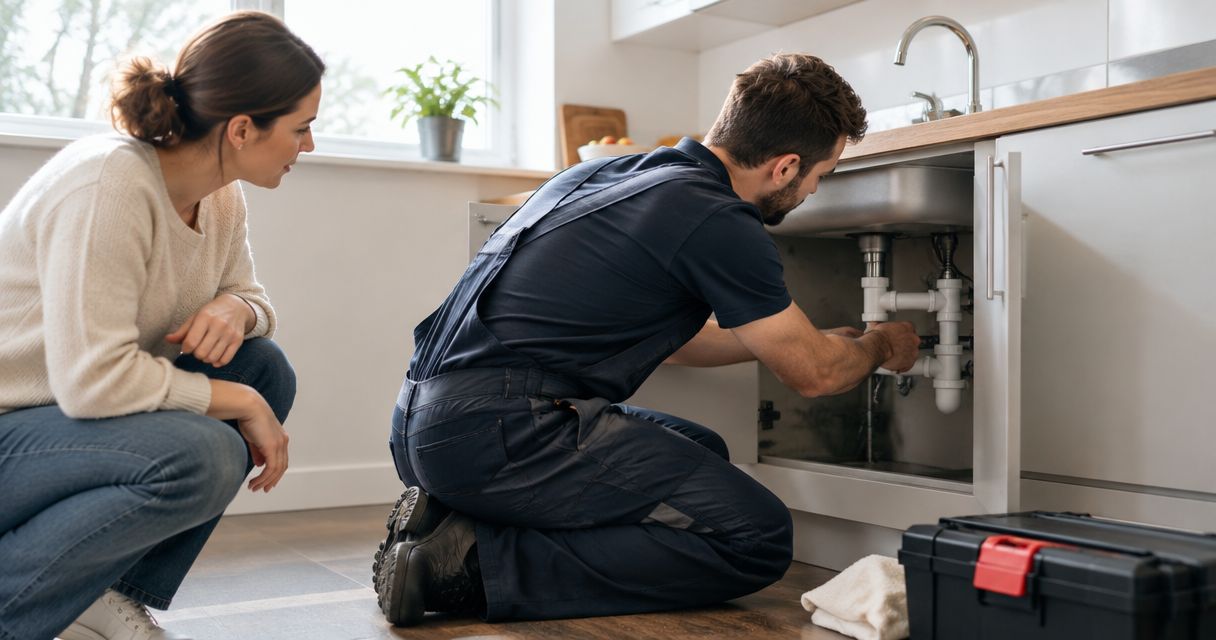
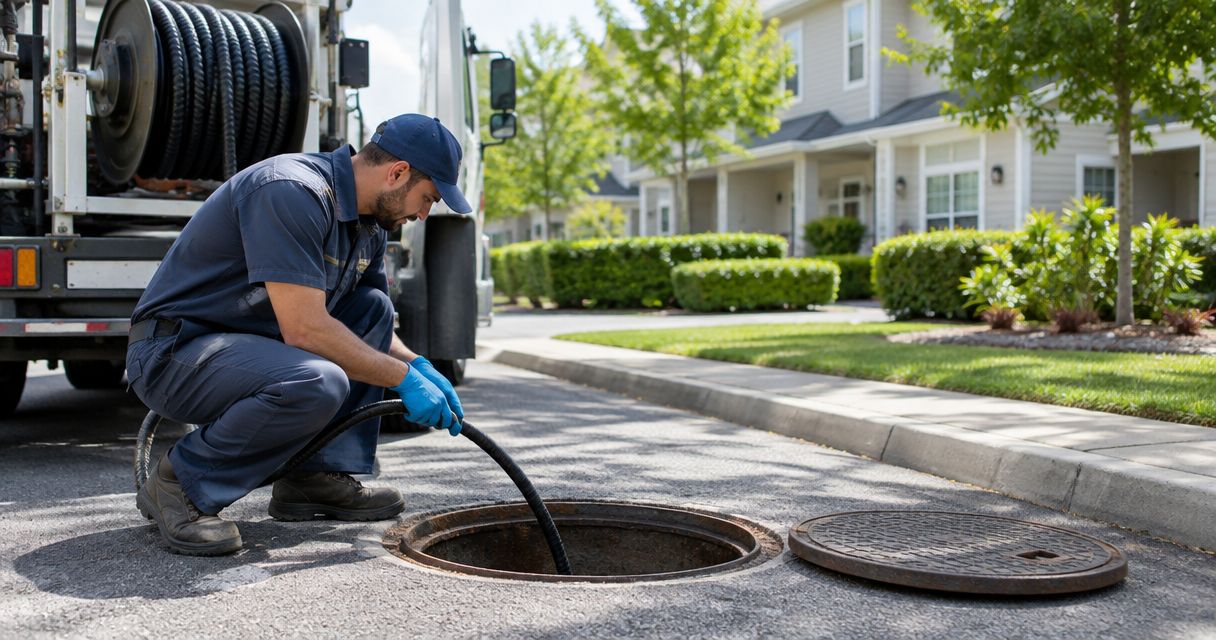
HOA sewer line maintenance is the care of shared wastewater pipes to keep drains flowing and give your community a clear plan for clogs, inspections, and repairs. When several homes share a line, start by identifying who owns it, who can authorize service, and how residents should report a problem.
- Sewer line maintenance for HOA communities starts with documented ownership, accessible cleanouts, and a clear response plan.
- $15 Sewer & Drain serves San Jose homeowners and businesses needing local plumbing and drain cleaning.
- Schedule sewer inspections and drain cleaning around documented pipe conditions, not an arbitrary calendar.
- Clearing a blockage restores flow; it does not establish that a damaged sewer pipe has been repaired.
Why sewer line maintenance matters for HOA communities
A shared sewer problem crosses household boundaries. Your HOA needs to coordinate access, resident communication, spending approval, and responsibility for the affected pipe—not just arrange a service visit.
For San Jose communities, $15 Sewer & Drain provides residential and commercial plumbing and drain cleaning. The company is locally owned and operated since 1983, with a live dispatcher answering calls 24 hours a day. $15 Sewer & Drain is best for San Jose homeowners and businesses seeking locally owned plumbing and drain cleaning service.
In the company name, $15 refers to the service charge only, not the total job cost. Flat-rate pricing is provided by phone before the technician arrives, based on the problem. When booking, describe the affected buildings and ask for the technician’s arrival expectations.
Your 2026 maintenance plan should separate routine upkeep from urgent response. A slow drain needs investigation; wastewater backing up needs immediate attention and instructions to stop using affected fixtures. Neither situation should leave residents guessing whom to call.
Build your HOA’s 2026 sewer maintenance plan
Identify who owns each sewer segment
Start with the documents you already have: governing documents, available plumbing plans, prior invoices, and repair records. Create a simple map showing individual connections, shared private lines, and the connection to the public system. Mark uncertain boundaries rather than treating them as settled.
A pipe’s location alone does not establish who must maintain it. Confirm responsibility through the association’s documents and applicable utility requirements. Ask qualified legal counsel to resolve disputed obligations before the board assigns charges to an owner.
Keep maintenance responsibility separate from access permission. Your HOA might need entry through an owner’s yard or another restricted area even when the association handles the work.
- Label individual connections and shared lines on the property map.
- Record the document supporting each ownership boundary.
- Mark unresolved responsibility questions for follow-up.
- List access permissions needed for each service location.
- Name the person authorized to approve work.
Collect a usable history of sewer problems
Build a shared maintenance log before buying software or commissioning a new inspection. A spreadsheet and organized document folder are enough to begin. Record symptoms, affected addresses, the service performed, and what the technician actually found.
Separate reported symptoms from confirmed findings. A resident’s description of roots is not evidence of root intrusion; a report documenting roots is. This distinction helps the next technician investigate without inheriting an unsupported diagnosis.
For your initial 2026 review, examine the previous 12 months of available records, then extend the review to older incidents involving the same line. This is a practical starting window, not a required cleaning interval. Recurring trouble deserves its own entry, even when each visit restored flow.
- Record the date, building, and affected fixtures.
- Attach invoices, written findings, and available footage.
- Distinguish resident observations from technician findings.
- Flag repeat incidents on the same sewer segment.
- Note whether the underlying cause was resolved or remains open.
Book the service that matches the problem
First, gather observations without opening sewer access points or handling wastewater. Ask whether the problem affects one fixture, one home, or multiple homes. That information helps the dispatcher understand the scope; it does not replace an on-site diagnosis.
Then arrange professional service when shared drainage is affected, a blockage returns, or wastewater backs up. $15 Sewer & Drain provides plumbing and drain cleaning for San Jose homes and businesses. Explain that the location is an HOA community and ask what information the dispatcher needs before booking.
Use the sewer maintenance guide for property managers to organize the handoff between residents, management, and the service provider. Give the technician a specific location and history rather than a broad request to check the whole property.
- Identify every currently affected home or common-area fixture.
- Describe slow drainage, gurgling, odors, or visible backup accurately.
- Explain whether the same problem has happened before.
- Provide the access contact and authorization contact.
- Ask for arrival expectations and any instructions before the visit.
Keep cleanouts and work areas accessible
Locate known cleanouts using property records and previous service notes. A cleanout is an access point used to reach a drain or sewer pipe. Record its position so the technician does not have to start by searching the property.
Do not ask residents or maintenance staff to open a cleanout during a backup. Wastewater can escape from a blocked system. Keep people away from contaminated areas and leave sewer access work to the service provider.
Shared parking, locked gates, landscaping, and storage can complicate access. Resolve those issues before scheduled work, and ask the technician how much working space the job needs. Avoid promising residents an access route that has not been checked.
- Photograph known access locations without removing covers.
- Keep storage and movable objects away from cleanouts.
- Arrange gate access with an available contact.
- Notify residents about parking or access restrictions.
- Record inaccessible or unknown cleanouts for professional follow-up.
Choose cleaning, inspection, or repair deliberately
Start with the service report and the condition of the affected line. Cleaning addresses an obstruction; inspection gathers evidence about the pipe; repair addresses a confirmed defect. These are different tasks, even when a single job includes more than one.
Do not authorize a repair solely because a line has clogged repeatedly. Ask what evidence supports the proposed work, where the defect is located, and which pipe section the recommendation covers. Equally, do not assume another cleaning will correct a broken pipe.
Your 2026 plan should keep unresolved defects visible after drainage returns. Restored flow is a service outcome, not proof that the sewer line is structurally sound. Ask the provider to explain any limits of the inspection or cleaning performed.
- Separate the immediate blockage from its suspected cause.
- Request written findings tied to a specific location.
- Ask whether inspection requires cleaning first.
- Confirm which defect a proposed repair would address.
- Keep unresolved findings on the board’s follow-up list.
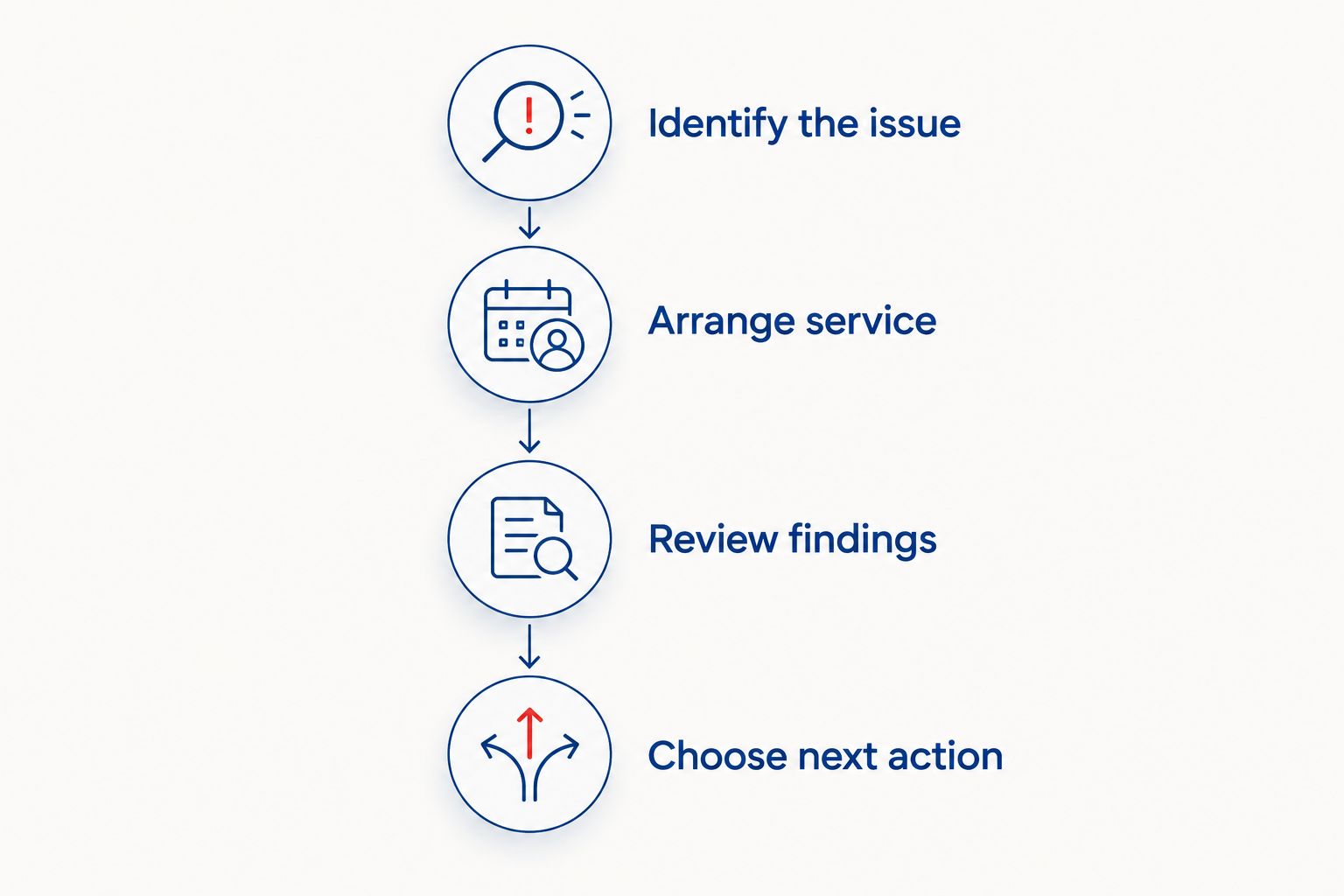
The decision sequence is simple: identify the issue, arrange the appropriate service, review the findings, and choose the next action. Keep the records together so each decision has a clear basis.
Set maintenance timing from documented conditions
Begin with a calendar reminder to review the maintenance log, not an automatic order to clean every pipe. Ask the service provider to recommend timing based on the line’s condition, recurring obstructions, and previous findings. Record the reason for that recommendation.
There is no single cleaning schedule that fits every HOA. A line with documented recurring buildup needs a different plan from a line with no recorded problems. A known structural defect needs a repair decision, not a maintenance calendar that leaves the defect unresolved.
For the 2026 board calendar, set a review at least every 12 months and after a significant sewer incident. That is a recommended administrative check, not a claim that pipes need annual cleaning. Adjust service timing when new evidence changes the plan.
- Record the reason for each planned maintenance visit.
- Track repeat symptoms between scheduled visits.
- Review open findings after significant incidents.
- Assign responsibility for booking and resident notices.
- Update the calendar when the provider changes the recommendation.
Write a response plan residents can follow
Create a short resident notice before the next problem. Explain whom to contact, what information to provide, and what to do if wastewater backs up. Keep the instructions practical enough to use under stress.
For affected fixtures, tell residents to stop use and contact management promptly. If shared sewer trouble is suspected, management should ask the service provider which homes need to limit water use. Do not invent a building-wide restriction without establishing the affected area.
Your response plan also needs spending authority and a backup contact. Within 30 days of a significant service visit, review the report and close outstanding administrative tasks. This is a recommended follow-up deadline, not a promised repair or arrival time.
- Publish the primary management contact and backup contact.
- Ask residents to report affected fixtures and visible symptoms.
- Direct residents away from wastewater and sewer access points.
- Identify who can authorize urgent service.
- Assign someone to distribute updates and retain the final report.
Compare maintenance options for your HOA
Choose the option that answers the immediate question. Resident reporting helps identify symptoms, but it cannot establish underground pipe condition. Professional cleaning, inspection, and repair each serve a different purpose.
| Option | Best for | Main benefit | Key limitation |
|---|---|---|---|
| Resident reporting and a maintenance log | Communities organizing their service history | Collects symptoms, locations, and repeat incidents | Cannot diagnose underground pipe defects |
| Professional drain or sewer cleaning | Lines with a diagnosed obstruction | Removes the obstruction to restore drainage | Does not repair structural damage |
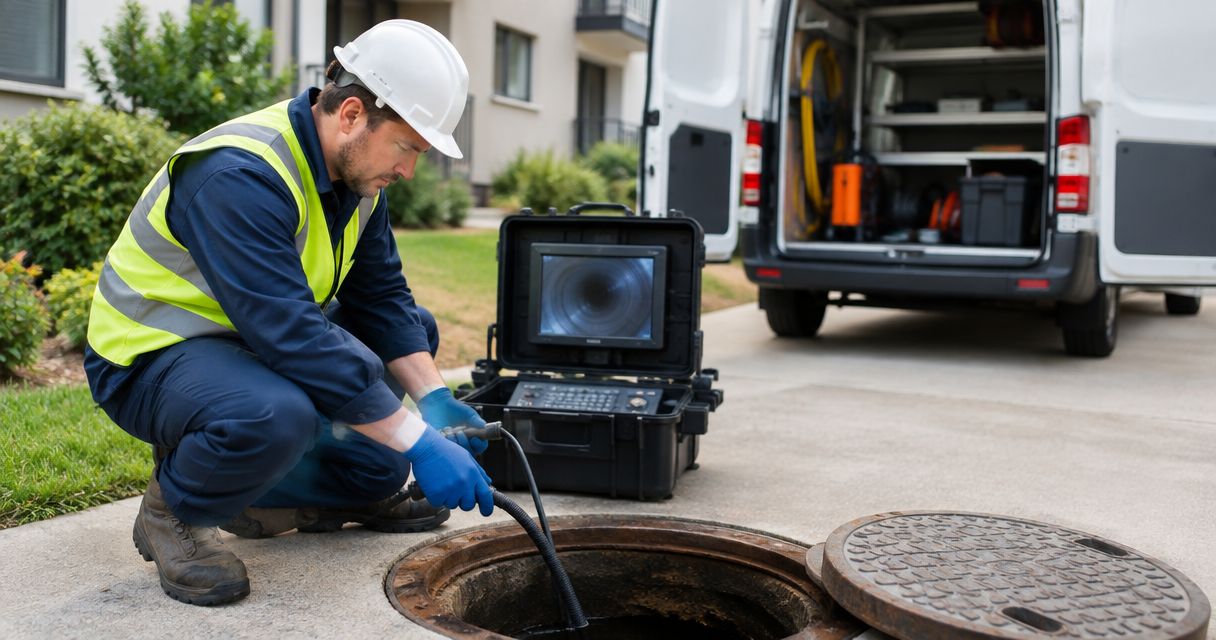
| Sewer camera inspection | Investigating recurring problems or suspected defects | Provides a view of accessible pipe interiors | Obstructions and access conditions can limit the view |
| Targeted sewer repair | A confirmed defect in a defined section | Addresses the identified damaged area | Requires a clear scope and access plan |
| Condition-based maintenance plan | HOAs coordinating ongoing upkeep | Connects service timing to recorded findings | Needs current records and someone responsible for follow-through |
Use inspection to answer a condition question and cleaning to address an obstruction. Ask the provider to explain the recommended method, its limits, and what evidence you will receive afterward. Do not treat these options as interchangeable.
Common sewer maintenance mistakes HOA communities make
Assigning responsibility before checking the documents
A resident report does not establish whether the owner, association, or utility is responsible. Confirm the affected segment and governing responsibility before assigning costs. Keep unresolved ownership questions separate from the immediate service decision.
Treating every incident as an isolated clogged drain
Closing each work order without connecting it to earlier visits hides recurring trouble. Match the incident to the same building, connection, or shared line in your records. Ask whether the latest visit changes the previous findings.
Paying for cleaning without retaining the findings
A cleared line is useful, but the HOA also needs a record of what was done and what remains unresolved. Request a written scope and findings. Retain any supplied inspection footage with the corresponding work order.
Booking work without arranging access or authority
A technician needs an accessible work area and a person who can approve the agreed scope. Confirm both before the appointment. Tell residents about restrictions that affect their homes, yards, or parking spaces.
Describing a contractor as approved without defining approval
An HOA’s vendor selection is not proof of utility authorization, a specific credential, or experience with every sewer system. State what the board actually verified. Request qualifications relevant to the proposed work instead of relying on a broad label.
FAQ
Who is responsible for sewer line maintenance in an HOA?
Responsibility depends on the affected pipe segment, the HOA’s governing documents, and applicable utility requirements. Confirm the ownership boundary before assigning maintenance duties or charges.
How often should an HOA clean shared sewer lines?
An HOA should set cleaning timing from documented pipe conditions and the service provider’s findings. A calendar review can be annual without making sewer cleaning an automatic annual task.
What should residents do when sewage backs up?
Residents should stop using affected fixtures, keep away from wastewater, and notify management promptly. Management should arrange professional service and confirm which homes need instructions to limit water use.
Is sewer cleaning the same as sewer repair?
No, sewer cleaning removes an obstruction, while sewer repair addresses a damaged pipe section. Restored drainage does not prove that an underlying defect has been corrected.
Does every recurring clog need a camera inspection?
Recurring clogs need investigation, and a camera inspection is one way to examine an accessible pipe interior. Ask the provider whether cleaning is needed first and what the inspection can establish.
Can an HOA use a spreadsheet for sewer maintenance records?
Yes, a shared spreadsheet and organized document folder are enough to start a sewer maintenance log. Record locations, symptoms, service dates, findings, and unresolved follow-up items.
Can San Jose HOA managers contact $15 Sewer & Drain?
Yes, $15 Sewer & Drain provides residential and commercial plumbing and drain cleaning in the San Jose area. Explain the community’s problem by phone and confirm the service scope, access needs, authorization contact, and arrival expectations.
One last thing
Before your board approves another routine cleaning, ask one question: What finding makes this service necessary now? A clear answer connects the proposed work to the condition of your community’s pipes. Put that answer in the 2026 maintenance log so the next board inherits a plan, not just a stack of invoices.