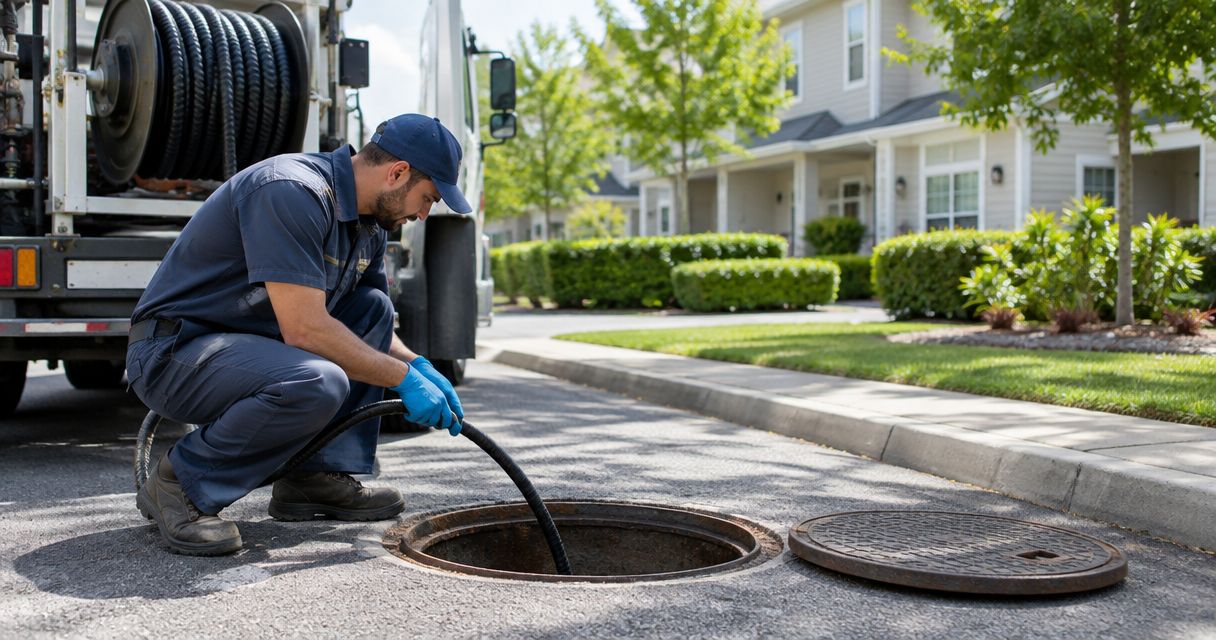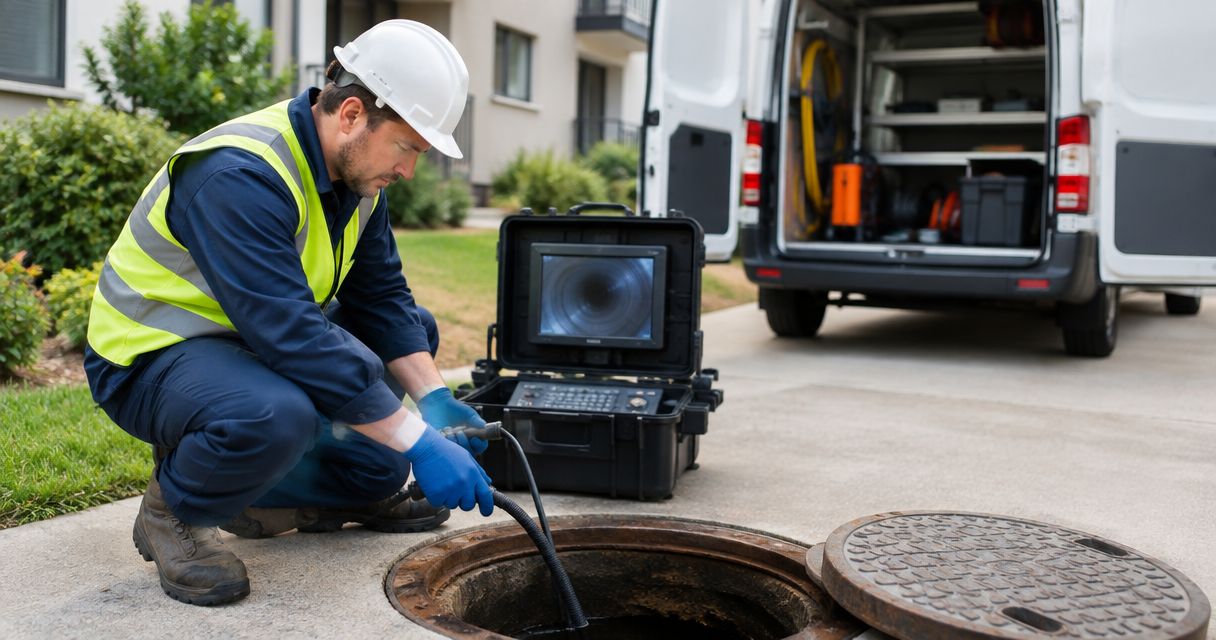
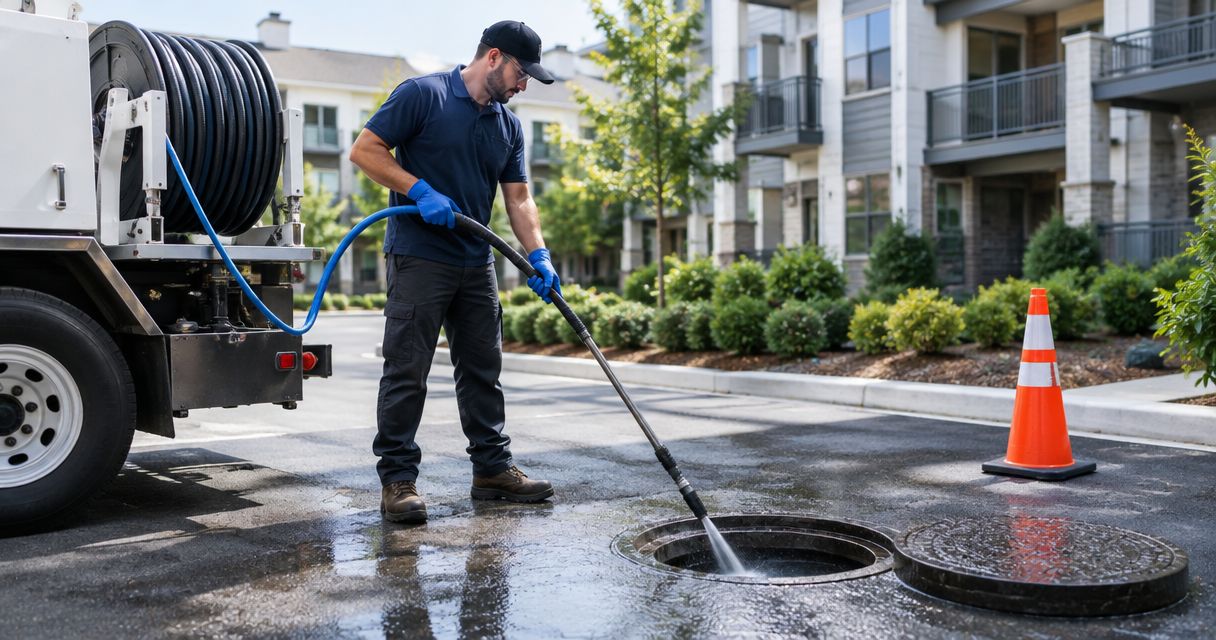
Apartment complex hydro jetting is drain cleaning with high-pressure water to remove pipe buildup and restore flow through shared drainage lines. For property managers, the practical solution starts with identifying the affected line, checking its condition, and coordinating access before cleaning begins.
- Hydro jetting for apartment complexes removes buildup; it does not repair broken sewer pipes.
- Choose sewer camera inspection when recurring drain cleaning leaves the cause unresolved.
- $15 Sewer & Drain suits San Jose managers seeking local residential and commercial drain cleaning.
- Coordinate tenant water use and verify restored flow before closing the maintenance ticket.
For local service, $15 Sewer & Drain provides residential and commercial plumbing and drain cleaning in the San Jose area. The $15 refers to the service charge only; flat-rate pricing is provided by phone before the technician arrives, based on the problem.
$15 Sewer & Drain is best for San Jose property managers seeking locally owned residential and commercial drain cleaning. Ask which cleaning method fits the affected pipe rather than requesting hydro jetting before the cause is understood.
Why hydro jetting matters for apartment complexes
Apartment drainage connects individual homes to shared branches and sewer lines. A blockage in a shared section can affect residents beyond the unit where someone first reports a problem. That changes the job: you need to identify the affected section, control water use, and arrange access without treating every complaint as a separate clog.
Hydro jetting directs pressurized water through a specialized nozzle to remove deposits from inside a pipe. It is useful for cleaning buildup that a cable has not fully removed. It is not a substitute for repairing a collapsed pipe, correcting a drainage slope problem, or fixing an open joint.
For your 2026 maintenance plan, separate two questions: Does the line need cleaning, or does the pipe need repair? Repeated backups alone do not answer that question. Inspection findings, the location of the blockage, and previous service records help determine the appropriate work.
How to plan hydro jetting for an apartment complex
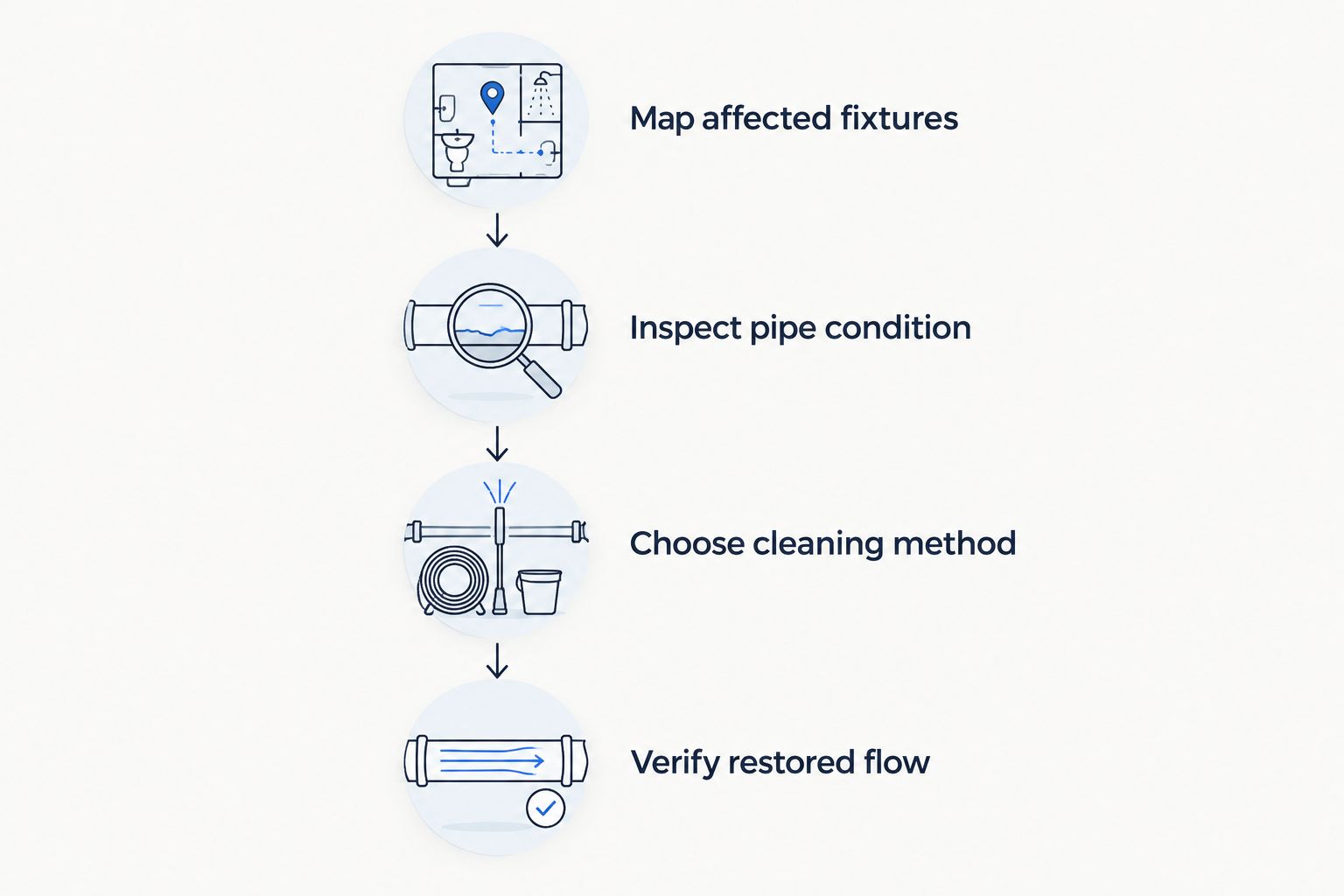
Map affected fixtures
Start with a free, manual check of resident reports and maintenance records. Ask which sinks, toilets, tubs, or floor drains are affected and whether the problem occurs during water use elsewhere. Record observations without assigning a cause before the line is checked.
A slow kitchen sink in one unit needs a different investigation from sewage appearing in several ground-floor fixtures. Multiple affected units suggest a shared drainage issue, but they do not establish exactly where the obstruction sits. Give the plumber a clear description rather than a diagnosis.
Keep 1 service log per building so recurring reports stay connected to the same property history. Include earlier cleaning work, accessible inspection footage, and any known pipe repairs. A simple spreadsheet is enough to begin.
- List affected units and fixtures.
- Record when each symptom started.
- Note which fixtures remain usable.
- Attach previous drain-service records.
- Identify shared branches on available plans.
Control water use safely
If sewage is backing up, stop using the affected fixtures and arrange professional service. Do not keep flushing or running taps to test whether the blockage has cleared. Additional water adds to a drainage system that is already failing to carry it away.
Keep residents and staff away from wastewater. Avoid assigning untrained maintenance staff to open a backed-up cleanout, dismantle shared piping, or operate high-pressure equipment. Cleaning a pipe and handling sewage exposure are different responsibilities.
Tenant instructions should be specific. Tell residents which fixtures to stop using and who will issue the next update. Do not announce a building-wide shutoff unless the plumber or responsible maintenance lead confirms that it is needed.
- Stop use of affected fixtures.
- Keep people away from wastewater.
- Report sewage near electrical equipment.
- Tell the plumber about chemical drain cleaners already used.
- Give residents a clear update contact.
Inspect pipe condition
Review existing inspection reports before commissioning another visit. If the records do not explain recurring blockages, ask the plumber whether a sewer camera inspection is appropriate. A camera can help identify deposits, roots, damage, and other visible conditions inside an accessible line.
Heavy buildup or standing wastewater can obstruct the camera's view. The plumber must decide whether initial clearing is needed before a useful inspection is possible. Do not treat an incomplete view as confirmation that the whole pipe is sound.
$15 Sewer & Drain provides local plumbing and drain cleaning for homeowners and businesses. When calling about an apartment property, describe the symptoms and ask how the affected line will be assessed before a cleaning method is selected. Confirm the proposed work rather than assuming every drain-cleaning appointment includes hydro jetting or camera footage.
- Share earlier inspection findings.
- Ask which pipe section needs assessment.
- Identify known pipe damage or repairs.
- Confirm whether buildup limits visibility.
- Request an explanation of cleaning versus repair needs.
Choose cleaning method
Make the decision from the pipe condition and blockage, not from the equipment name. Cable cleaning can open a path through an obstruction. Hydro jetting uses water to clean deposits from the pipe interior. Repair addresses damaged piping that cleaning cannot fix.
Choose hydro jetting for suitable pipes with removable buildup, not as an automatic response to every backup. Roots require particular care: removing an obstruction does not close the opening through which roots entered. Ask whether the recommendation addresses the immediate blockage, its underlying cause, or both.
For a 2026 work order, require a plain-language scope that identifies the line and the intended result. If repair is recommended, ask what inspection finding supports it. If cleaning is recommended, ask what will be checked afterward.
- Match the method to the observed problem.
- Ask why cable cleaning is or is not sufficient.
- Confirm pipe condition before aggressive cleaning.
- Separate blockage removal from structural repair.
- Approve a clearly defined service scope.
The decision sequence is simple: map the symptoms, assess the pipe, select the method, and check the result. Skipping the assessment turns an equipment choice into a guess.
Coordinate tenant access
Start with a written access list and resident notice. Identify the units, utility rooms, parking areas, or exterior cleanouts that the plumber needs to reach. Confirm permissions and entry arrangements before the appointment rather than relying on residents to answer an unexpected knock.
Assign 2 contact roles: an authorization contact and an onsite access contact. One person can fill both roles, but the responsibilities should remain explicit. The technician needs someone who can approve changes and someone who can open the correct spaces.
The brand's service information states that a live dispatcher answers calls 24 hours a day. Ask for technician arrival expectations when booking by phone; do not promise residents a completion time before the work has been assessed.
- Identify the person approving work.
- Confirm who provides onsite access.
- Keep required cleanouts accessible.
- Communicate any requested water-use restrictions.
- Ask how tenants will be notified when use can resume.
Verify restored flow
Begin with the fixtures and symptoms documented in the original maintenance ticket. Ask the plumber to explain how drainage will be checked after cleaning. Opening the line is the immediate goal; establishing whether a defect remains is a separate question.
Use 3 checkpoints: affected fixtures, shared-line flow, and remaining defects. This is a practical handover checklist, not a substitute for the plumber's assessment. Where post-cleaning camera inspection is appropriate, ask to see the relevant findings and have the affected section identified.
For 2026 service records, distinguish confirmed results from unresolved concerns. Record whether flow was restored, whether damage was observed, and whether another visit or repair was recommended. Do not close a recurring-backup ticket with only the words “drain cleared.”
- Check the originally affected fixtures.
- Ask how shared-line drainage was verified.
- Record remaining damage or obstructions.
- Save available inspection findings.
- Note any follow-up work separately.
Build a maintenance record
Start with your existing spreadsheet, work-order system, or paper file. Track the location, symptoms, findings, method used, and outcome for each drain service. The purpose is to recognize repeat problems without making a future plumber reconstruct the property's history.
Do not set a universal hydro jetting interval for every apartment building. Pipe condition, the type of buildup, occupancy patterns, and previous findings belong in the decision. Ask for a maintenance recommendation tied to the actual line rather than adopting a calendar interval without supporting evidence.
Review the record during your 2026 maintenance planning. A recurring blockage in the same section deserves a cause-focused investigation, even when each cleaning temporarily restores drainage. Planned cleaning and needed pipe repair should remain separate budget items.
- Track service by building and pipe section.
- Record the reason for each cleaning.
- Compare repeat incidents at the same location.
- Save repair recommendations with their supporting findings.
- Review maintenance needs after significant drainage changes.
Compare drain-service options for apartment properties
The best option depends on whether the problem is removable buildup, an isolated obstruction, or damaged piping. Inspection supports that decision; it does not itself clear a drain. Keep those roles separate when reviewing a proposal.
| Option | Best for | Main benefit | Key limitation |
|---|---|---|---|
| Cable drain cleaning | An obstruction suited to mechanical clearing | Opens a route through the blockage | Does not necessarily remove deposits throughout the pipe |
| Hydro jetting | Removable buildup in a pipe suitable for water-pressure cleaning | Cleans material from the pipe interior | Does not repair cracks, collapse, or faulty slope |
| Sewer camera inspection | Recurring problems or an unclear cause | Shows visible conditions in accessible piping | Buildup or wastewater can limit the view |
| Sewer repair | Confirmed damaged piping | Addresses the damaged section | Requires a repair plan; cleaning alone is insufficient |
For hydro jetting, the benefit is cleaning beyond a narrow opening through the blockage. The limitation is just as important: a clean but damaged pipe still needs attention. Ask the plumber to connect the recommended option to a specific finding.
A local residential and commercial drain-cleaning provider gives property managers a place to request service. It does not remove the need to confirm equipment, inspection scope, tenant coordination, and the proposed method for the particular property.
Request service for your apartment property
Describe the affected units and drainage symptoms, then ask about the appropriate service.
Common mistakes apartment property managers make
Treating each unit complaint as an unrelated clog
Separate tickets can hide a shared-line problem. Compare the affected units and fixtures before authorizing repeated isolated visits. Tell the plumber when several residents report symptoms in the same period.
Ordering hydro jetting before checking the pipe
Hydro jetting is a cleaning method, not a diagnosis. Ask what evidence supports the method and whether known damage changes the plan. A damaged line needs a repair decision, even if clearing temporarily restores flow.
Giving tenants an unsupported completion time
Access, inspection findings, and the work required determine the service plan. Share the arrival expectations provided when booking, then update residents as the scope becomes clear. Keep arrival and completion as separate messages.
Closing the ticket without recording the cause
A cleared drain does not explain why it blocked. Save the findings and any remaining concerns so the next call starts with useful information. This matters most when the same section repeatedly causes trouble.
Scheduling every property on the same interval
Identical calendars ignore differences between buildings and pipe sections. Base planned service on documented conditions and the plumber's recommendation. In your 2026 budget, distinguish preventive cleaning from investigation and repair.
FAQ
What is hydro jetting for apartment complexes?
Hydro jetting for apartment complexes uses high-pressure water to remove buildup from drainage pipes. Property managers must also coordinate access, tenant water use, and checks that drainage has been restored.
Is hydro jetting better than snaking an apartment sewer line?
Hydro jetting is better suited to cleaning pipe buildup, while cable cleaning can open a path through an obstruction. The appropriate choice depends on the blockage and pipe condition; neither method repairs damaged piping.
Should an apartment sewer line be inspected before hydro jetting?
The plumber should assess pipe condition before selecting hydro jetting. Camera inspection can help, but buildup or standing wastewater can limit visibility and require initial clearing.
How often should an apartment complex schedule hydro jetting?
There is no single appropriate interval for every apartment complex. Set the schedule from inspection findings, blockage history, pipe condition, and the plumber's recommendation.
Do all tenants need to stop using water during hydro jetting?
Water-use restrictions depend on the affected line and the plumber's work plan. Tell residents exactly which fixtures are restricted and when the plumber confirms they can resume use.
Can hydro jetting fix roots in an apartment sewer line?
Hydro jetting can remove root material when the pipe condition and equipment make it appropriate, but it does not repair the opening where roots entered. Ask whether inspection shows a defect that requires repair.
What should I tell a San Jose drain-cleaning company when booking?
Give the property location, affected units and fixtures, backup symptoms, previous service findings, and access arrangements. For $15 Sewer & Drain, ask which service fits the problem and confirm technician arrival expectations when booking by phone.
One last thing
Ask which pipe section was cleaned, not just whether the drain is flowing. A building-level service record becomes much more useful when it identifies the branch or sewer section involved. Save that detail beside the original symptoms so the next maintenance decision starts with a location, not another guess.